‘Know my Name’ Book Review

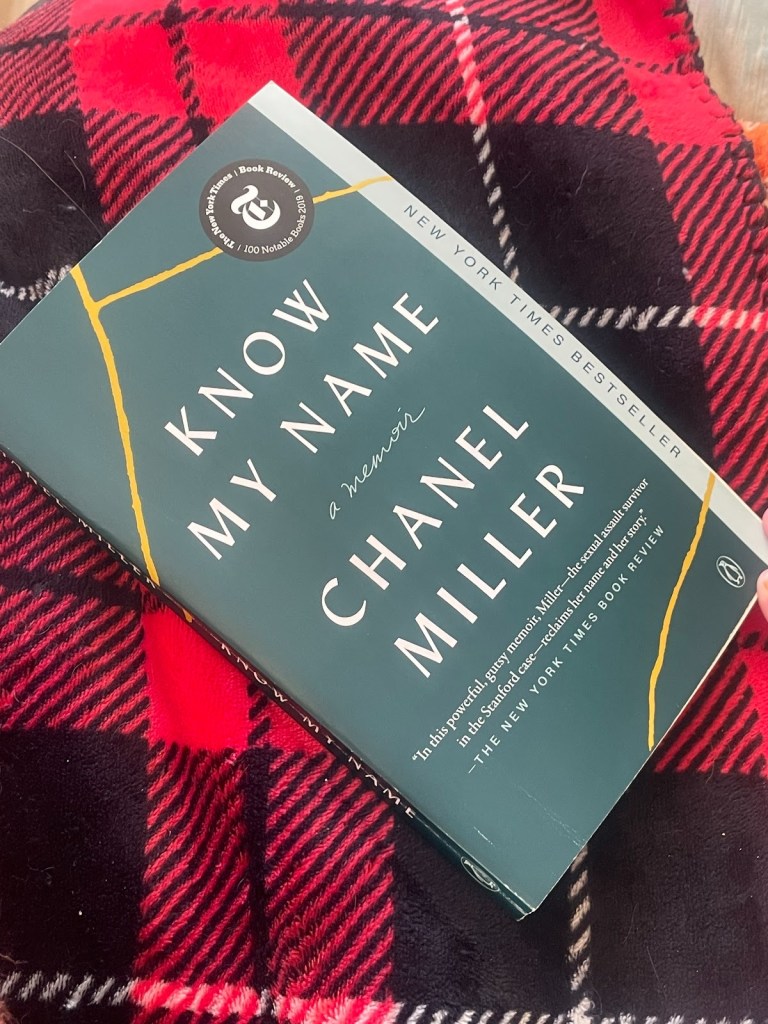
“She was known to the world as Emily Doe when she stunned millions with a letter. Brock Turner had been sentenced to just six months in county jail after he was found sexually assaulting her on Stanford’s campus. Her victim impact statement was posted on BuzzFeed, where it instantly went viral–viewed by eleven million people within four days, it was translated globally and read on the floor of Congress; it inspired changes in California law and the recall of the judge in the case. Thousands wrote to say that she had given them the courage to share their own experiences of assault for the first time.

Now she reclaims her identity to tell her story of trauma, transcendence, and the power of words. It was the perfect case, in many ways–there were eyewitnesses, Turner ran away, physical evidence was immediately secured. But her struggles with isolation and shame during the aftermath and the trial reveal the oppression victims face in even the best-case scenarios. Her story illuminates a culture biased to protect perpetrators, indicts a criminal justice system designed to fail the most vulnerable, and, ultimately, shines with the courage required to move through suffering and live a full and beautiful life.” – A description provided by GoodReads.

 When I first started the book, I was worried. I wasn’t feeling a connection to the book. I wasn’t feeling much at all. This had me confused as the book progressed more and more chapter by chapter I came to realize that I was actually immersed into the story feeling the emotions as Chanel did going through the experience being confused right after her assault, not knowing what was going on and thinking that they must have the wrong person to eventually being in that courtroom and being hit by a brick wall of emotions, realizing what had truly happened to her. I began to feel disgust at what Brock Turner did to her. I felt anger at the system that this country is built on, on how victims of these heinous crimes are treated. 

The point of this book is Chanel Miller reclaiming her name and her story she is showing there is so much more to being a victim than just that word. She and other victims are living being humans who have the right to live, and to be acknowledged to be heard. She showcases the loopholes that are in victim blaming. This book is almost a critique of how victims are perceived by the masses and what being a victim actually means I had no idea what happened to somebody after they are assaulted and might have been raped. Chanel didn’t know either all the procedures that are very intimate and invasive that somebody has to go through right after going through almost the exact same thing in a violent way. 

Another thing is how this was so prevalent in the time of social media. The comments that people type are not thinking of the person that this case is impacting, they don’t realize a real person is there or they don’t even care. I honestly believe people do not think about their actions. The victim of the crime isn’t even the only one that impacted that crime trickles down to so many other people, in their lives. Something that was so easily shown to me when I was reading in this book is how great of a sister Chanel is to Tiffany that is what I took most notice of. I also see how she’s kind of a big sister to all women now; showing the strength that a woman must have in the system that does not treat victims like what they are. They are human.

 This book is extremely educational like I said before I had no idea what happened to somebody after they report a rape or an assault. I didn’t know what it was like to be a victim waiting for a trial or waiting for a verdict to happen. How you have to pause your life for the case. Chanel Miller didn’t know any of this either until she was put into these shoes. It really makes you think of why some people do not come forward or they wait until what they feel is the right moment. Yet they will still be victim-blamed. This is an incredibly important read and I think all young people need to read this book.

 The structure of this book was done in a very good way, the way she weaves past experiences or other antidotes from her life into the chronological story of her case. It was done very well, very easy to follow and didn’t feel like you were being thrown all over the place.

As the reader, I can tell that writing this book was a very therapeutic experience for the author. It is lengthy, but I do believe every word matters. So many of these sentences hit the nail on the head and had me yelling “truth!” She was great at putting words to experiences and feelings that we all feel, and I just never knew how to say or express. I love the use of italics throughout the books, the metaphors and similes. She’s a master of language. There is so much knowledge to come from these pages. It made me feel seen and away because I do remember when Chanel‘s case was actually happening and saw the reactions of people around me, people I respect, but I didn’t think their reactions to the case were right. I wish I could give this book to those people so they could see her side of the story and what it is like to be a victim and to be a victim that is so heavily critiqued by the masses. Also how there is a systematic issue in our country and how prevalent toxic masculinity is. This is such a powerful read, and as I said before, I do think everybody should read this book.

4 out of 5 stars.

‘Jason and the Argonauts’ Book Review

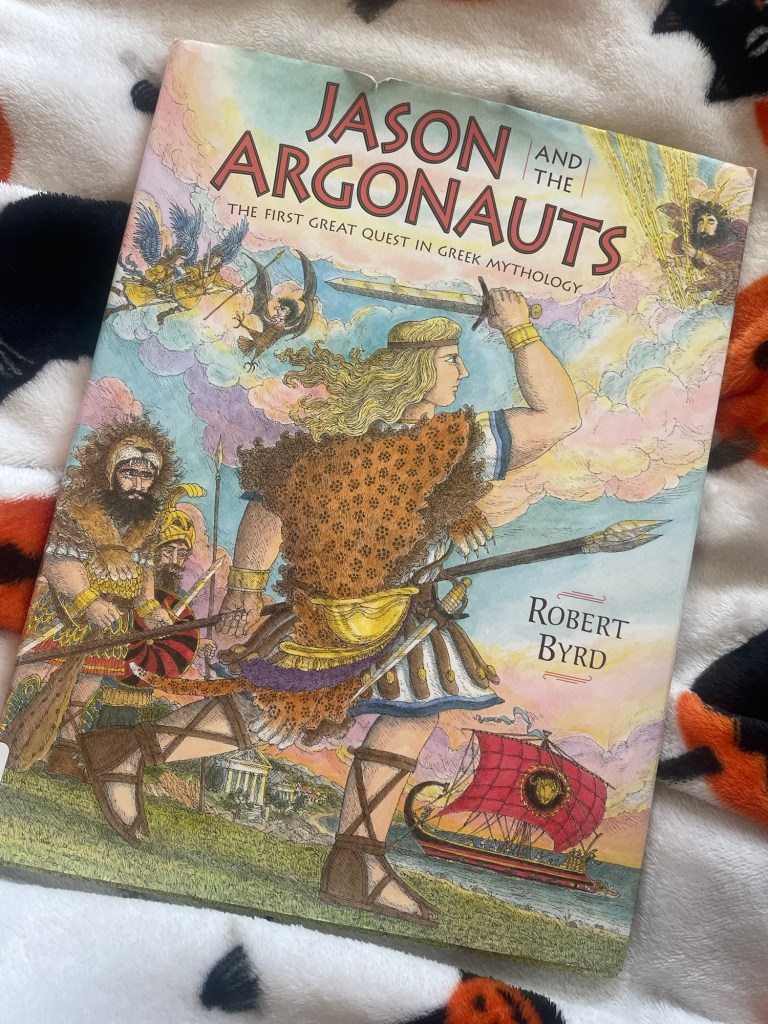
As per usual, I will start out with the negatives. There was a lot going on on each page. Rather that be the text itself, long paragraphs, little nonfiction excerpts giving a backstory on each god or mythological figure, and then a big illustration. It was a lot to take in. I would get distracted and lose my place in the text. 

 This story was eye opening on how there are similar things throughout ancient text. The one that I picked up here was a snake guarding a garden or grove that holds something special. It reminded me of the Garden of Eden that we see in Abrahamic religions. I also enjoyed that in the author’s note he pointed out the argonauts were like the original super heroes. I picked up on that too! Think of Marvel and DC how all those guys would team up for a movie, that’s kind of what this was in the ancient world. 

I did love the art style as it was reminiscent of the artwork that we find in Greece. The colors were soothing too and easy to look at. I did enjoy this book and would recommend picking it up if you are needing a refresher on the myth. Also does anyone know of any retellings that are out now about the myth? 

‘A Good Girl’s Guide to Murder’ Book Review

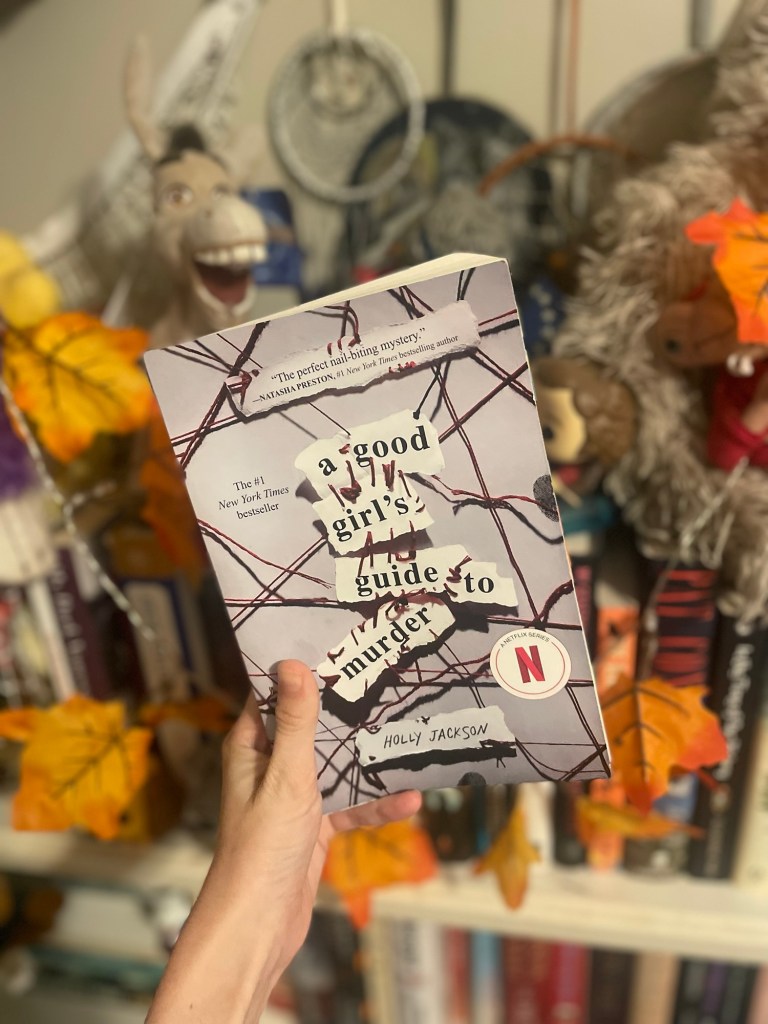
Pip is a character that is on a mission. That is pretty much all we get from her. There are barely any layers, if there are they are just skimmed over. Sure, she is a big sister and a friend, and all those kinds of things but all we are getting of her is this quest to prove Sal as innocent and find the real murderer of Andie. There is a moment at the end of the book that seems to be showing that Pippa herself is aware of her tunnel vision and that she does not know who she is outside of being a workaholic. Sure, she is self aware with a quarter left of the book but honestly I believe this to be a quick excuse for the lack of character development. I did not feel a connection towards her. All of this sounds a bit harsh but I actually did not dislike Pip and the cast of characters… they just lacked development. 

 This is a good fall read to kick off the spooky season. I would even say it is borderline dark academia for those who like that sphere of literature. As for the writing, I devoured this writing style. It was fast paced, short chapters and an accessible way of words. I was easily reading over a hundred pages a day with this one. It is easy to believe the author is British though as there were some terms that American teenagers aren’t saying such as fancying someone. Other pieces of dialogue were unrealistic. 

 The story reminded me of the thrillers that I was reading when I was getting into reading as a young adult. It was really fun to get back to that. I also found that I love to annotate thrillers as I am trying to unravel the mystery with the characters. I did predict who our killer was quite early on but I was coming up with so many other theories throughout my time reading that I did not think this person could actually be the one. That being said, I was not too terribly shocked with how the story wrapped up and none of the plot twists had my jaw on the floor. I did enjoy reading the book and I do think the progression of the mystery and all its twists and turns did make for a logical story and nothing was ever too out there. (Except for some of that cringey dialogue or lenient parents). This is a good book, a good palette cleanser and I would recommend it. 

3.5 out of 5 stars

‘The Power of the Dog’ Book Review

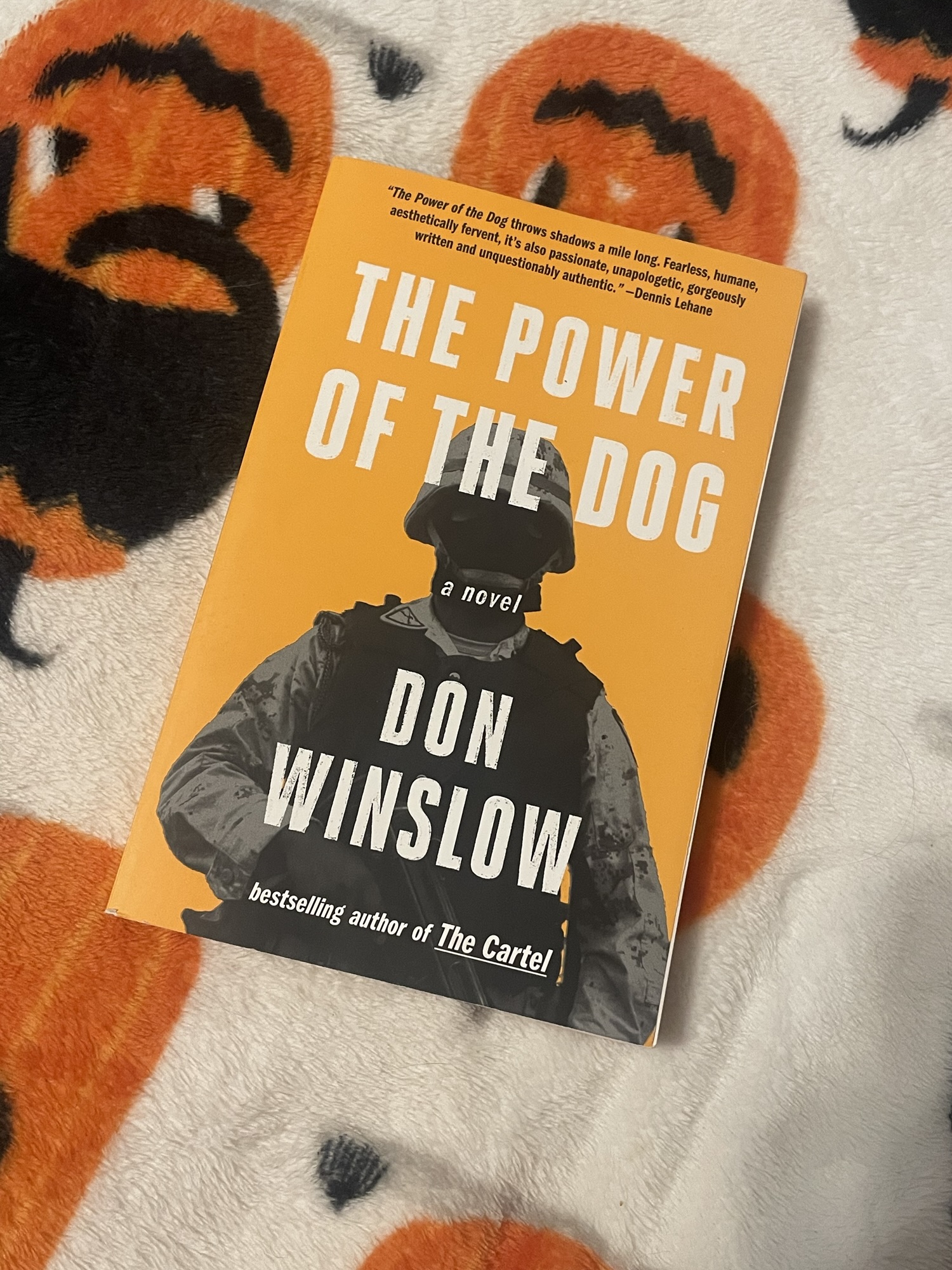
This is a book with a large cast of characters. I got to see the War on Drugs from a lot of different angles. That was something that I loved about the book. Seeing how a big historical event has an impact on so many different kinds of characters. I do think one character was more developed than the others, that being Art. However, I would not consider him the main character of said story. That might be a hot take. Overall, the characters were shallow. I came to this realization when there were characters who I considered my favorites but once terrible things began to happen to them, I simply had no reaction. I lacked a connection with them. They needed to have more depth and more thoroughly written out backstories, more building to their character arcs for them to be truly successful and deemed favorite characters. 

 The atmosphere of the book introduced me to a whole new world. I know that I am sounding like the ignorant American that I am while writing this. Winslow, the author, would name drop a city that I had never heard of, I would go and google it, sure enough the city would have half a million people. It also made me realize, Americans are so centric to their own world because all of our media seems to take place here, it isn’t like we are taking in vast amounts of Mexican media (myself anyways). This book opened a can of worms for me to dive into Mexican culture and history. I have already had fun exploring Apple Maps!

 This writing style is the kind that I don’t vibe with the most, hey, I am honest with these reviews. It is dense and has long chapters. Something that I did like though was how each character had their own voice. The tone shifted with each character really immersing you into their story and lifestyle. 

 The plot is straight up showing the years that people most commonly think of when they think of the War on Drugs. Earlier, as I said, it goes into so many different people and how each story is connected, that reminds me of Ken Follett. Also if you like the action filled stories of SA Cosby, you’ll like this as well but remember, it’s a tome! Let’s talk about some of the deeper themes though, the main one I picked up on is realizing you are in something corrupt, a bad situation if you will, and trying to get out of it. Let’s go deeper, can big things like the church, crime groups, and the government be taken down from the outside or we just have to wait for them to implode on their own? Also, with those groups that I named, they are so interconnected. They all heavily rely on each other and are so similar to one another. If you are curious about in what ways, pick up this book. 

 Plot twists galore!!! And I am saying that in a good way. It makes so much sense how these scenes would line up to happen but I would never see it coming and if I did it would only be a few moments before. My jaw was frequently falling to the floor while reading ‘The Power of the Dog’. This was a great book, opening me up to a new bit of history and places around the world. Yes, I would recommend that you pick it up. 

4.25 out of 5 stars.

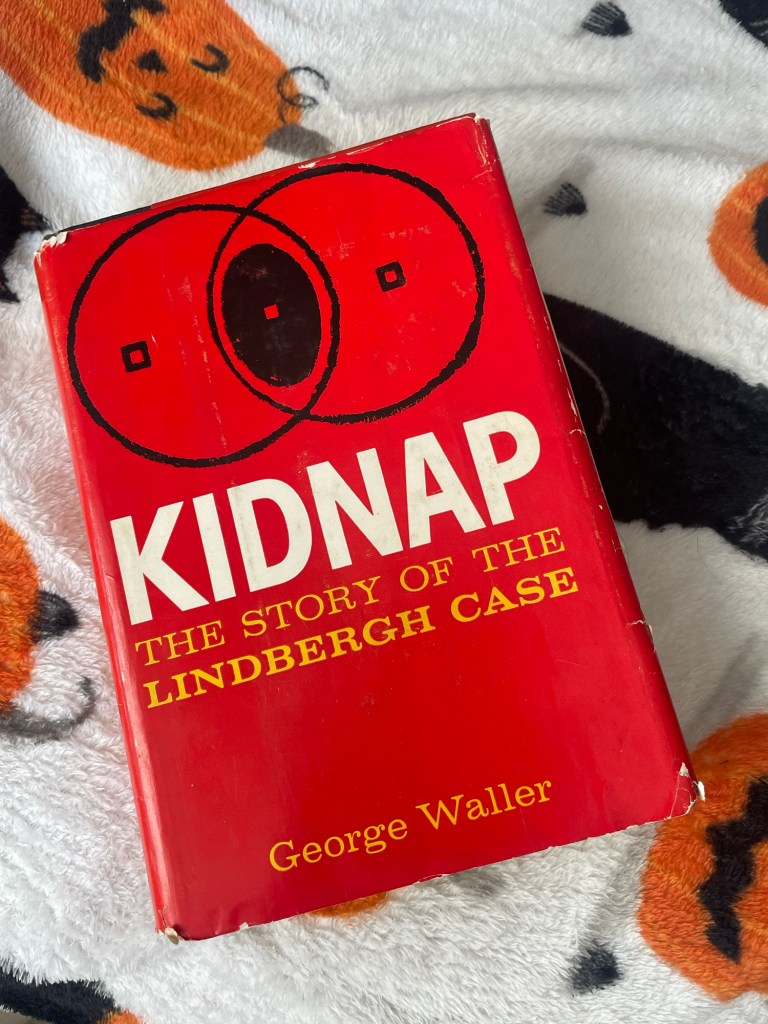
‘Kidnap’ Book Review

First and foremost, true crime is not a genre that I gravitate towards. This book was a gift and I am willing to give any genre a go! ‘Kidnap’ started out strong. The writing style begins as narrative nonfiction really immersing you into the story. The sections of the crime and investigation were fascinating and intriguing. Theories were constantly changing. 

Once the investigators think they have caught the suspect we then go into the longest part of the book, the trial. I am someone that courtroom scenes typically go over my head. That stayed true here. The writing style suddenly changed for this section. The pacing was no longer fast but slow. It went from a narrative style to tedious dialogue. These chapters in this section would go on for thirty pages, again, it was tedious and confusing. I would get lost in the dialogue. That being said, I dreaded picking up the book at this stage. The majority of the book I was dreading. 

I do think this case was what laid the stones on how kidnapping and missing persons cases are now handled in the modern age. At this later date, it is so easy to see where things went wrong. It seems as though a lot was learned from the handling of the case of the Linbergh baby to help children and families in the present and future. I do not strongly recommend this book but this isn’t typically my kind of story. 

2.5 out of 5 stars.

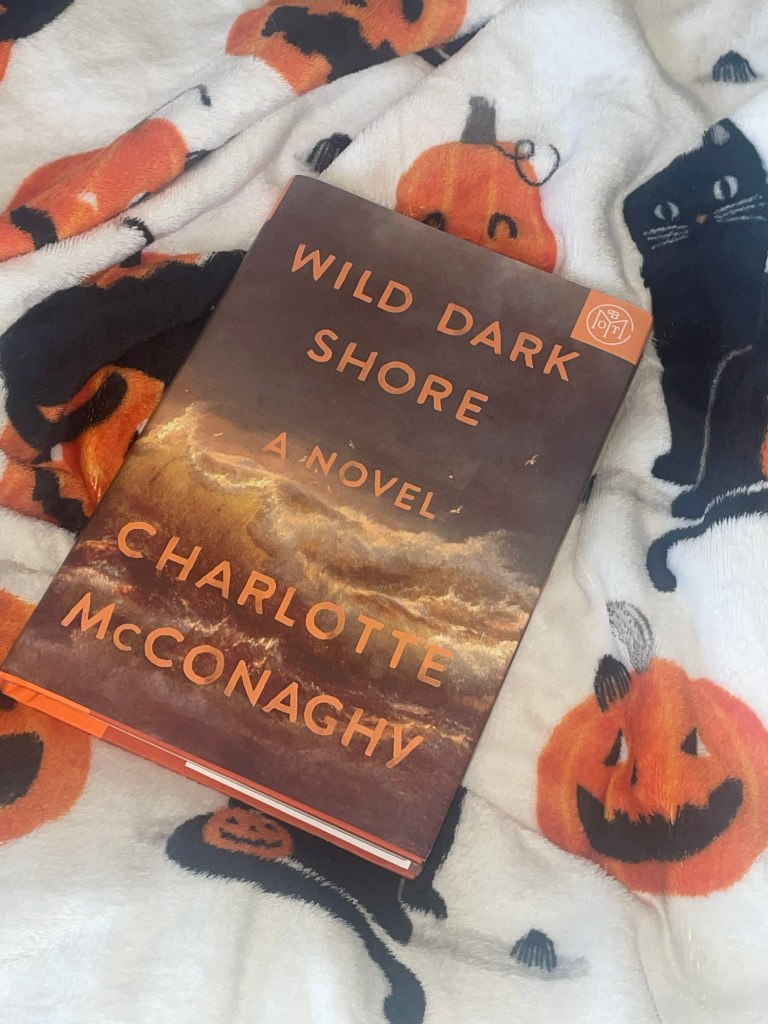
‘Wild Dark Shore’ Review

This is a story where the side characters, the children, stand out more to me than the adult leads. We do get the points of views of all but it is obvious who our main characters are. Rowan, she is our star, the woman who washes ashore to a remote island. I did not understand why she did some of the things she did knowing the situation that she was in. It did not make sense to me. Also, the romance was unnecessary. I did not feel any chemistry and it was jolted upon. For a good chunk of the book we are going through cycles with the character arcs and I even believe after the events of the book the same thing will be happening. I did like the aspect of not knowing who was in the right and how that changed day in and day out or quarter to quarter while trying to unravel the mystery of the book. 

The atmosphere was my favorite part. Shearwater Island becomes a character itself rather than just the setting. I was so vividly immersed onto this Antarctic island in a world being ravaged by climate change, rising sea levels. All your senses are invoked, even your emotions are by how stunning the wildlife and scenery are that will come to your mind while reading. It’s such an ancient, eternal feeling. The island, the story, could be thousands of years ago when in reality it is in the near future.

Now let’s get to where it is confusing, the writing. I do vibe or gel well with McConaghy’s writing style itself. The words are so blunt and matter of fact but at the same time can read as lush as she builds this world around you. I do want to recommend reading this on ebook or having a dictionary nearby as some of these words are quite hefty and pretentious. There was a lack of consistency in the pacing. Rowan’s chapters could be up to thirty pages, while the others might only get one to five. It really dampened how I usually read a book. This book is short in page number but it took me a while to get through. Moving along with the pacing, the stakes would get really high and my adrenaline would be pumping and then we would wait another quarter for something to happen again. It was uneven. 

I always love when a thriller is more than just that. More than a basic plot but going into themes and ideas as well. This is a looking glass, at what could possibly be to come with the rising sea levels that we are seeing in our world. The mystery was good as you never knew who to trust. Tides are constantly changing. This is a story of grief, and how everyone’s experience with it is a different journey even if it all stems back to one event. Grief can fully take over a person. At the same time we see the lengths that love will go. Everyone’s experience is different. The feelings and emotions are different. Love can fully take over a life. Love and grief are so intertwined. 

 There are some smaller themes like where we are born and raised can shape our beliefs, our view on the world. How home is so much more than something physical. As I wrote before, this is a piece of climate fiction. This is a survival story. Surviving the battle with grief, with love, physically surviving climate change. ‘Wild Dark Shore’ has a lot going for it in these regards. I was on the edge of my seat for this one. Even if the author reused themes from ‘Migrations’, a woman with a shady past, man who also might not be as he seems, a climate ravaged world. It is similar. I thought this book was just alright as it did lack consistency.

3.75 out of 5 stars.

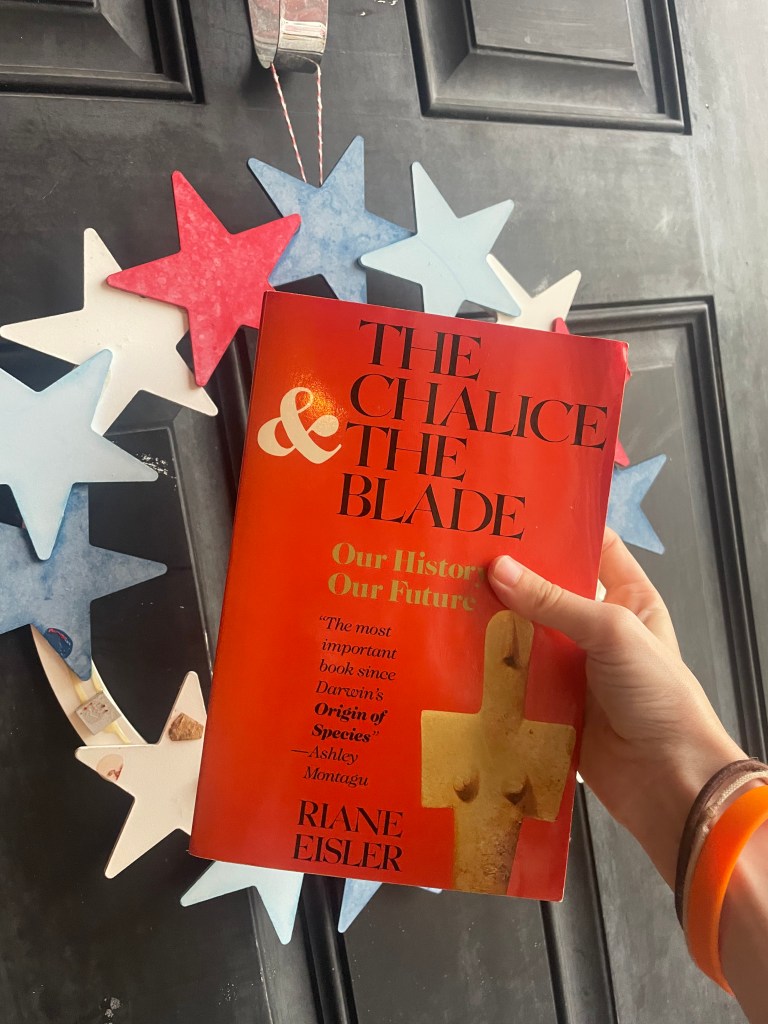
‘The Chalice and the Blade’ Review

“The Chalice and the Blade: Our History, Our Future by Riane Eisler offers a sweeping re-interpretation of human cultural evolution by contrasting two fundamental social models: the equitable, nurturing partnership societies symbolized by the chalice, and the authoritarian, violent dominator societies represented by the blade  . Drawing from archaeology, anthropology, history, religion, and social sciences, Eisler proposes that early human societies—especially in Neolithic Europe—were organized around life-affirming, gender-egalitarian values (gylany), before being overtaken by patriarchal structures featuring hierarchy, violence, and oppression  . Rather than presenting utopia, the book argues that partnership-based social systems are deeply rooted in our past and offer viable pathways for building more peaceful, sustainable futures. It concludes with two divergent visions for society’s trajectory: one continuing on a dominator course, the other reclaiming partnership values for healing and transformation.”

This book was like a lightbulb moment for me. It confirmed and deepened my beliefs about society, where we came from, and how religion developed in the Paleolithic and Neolithic times. Archaeological evidence seems to suggest that these early societies were egalitarian, where everyone was treated equally, with no one group dominating others .It isn’t to show that egalitarian societies are perfect. They don’t have as much war and bloodshed but they still have their issues. There is no perfect societal structure but this system has seemed to prove more beneficial throughout history.In Europe’s first civilization, the Minoans on Crete, we see a lot of evidence pointing in that direction, and I became really fascinated by Crete after reading this book. 

To take it back a few thousand years, men from the outskirts of society banded together through violence. They were the ones who worshipped gods of lightning bolts and hammers, raiding these egalitarian societies. The world chose to respond to violence with violence, and it has been that way ever since. We now live in a society where there has to be a dominator, someone at the top. This book dives into how that happened and discusses various instances in history of how this has been enforced and how it continues today. I also learned how history has cycles. At one point women might come close to being equals with men and then have a fall. A historical example would be Elizabethan England, a queen on the throne and men being able to show more femininity in the likes of Shakespeare. After that time we see the Puritans and witch trials. I cannot help but see it where we are now. During the sixties we saw a societal revolution mainly stemming from the Vietnam War. Now, women’s rights are being taken in the form of body autonomy and abusers having no real punishment. 

Originally published in 1987, I was concerned because so much has happened since the late 1980s. Luckily, I was reading this on my Kindle, which included an epilogue written by the author in April 2017, and she was still addressing the same societal issues I had been thinking about. After reading this book, I found it refreshing to see the same concerns echoed. This book showed the evolution of religion and how society has viewed the role of women. 

Why am I not giving it a five-star rating? It starts with a 26-page introduction that basically explains what every chapter will cover, which was a lot of information to absorb. Some of it went right over my head, making it challenging to take in, especially since I wasn’t familiar with much of this material before reading. The book does become easier to read as it progresses, but I will admit some parts still went over my head. I would highly recommend having a dictionary on hand or reading it on Kindle, as there are terms I wasn’t familiar with. Fortunately, on Kindle, I could hold down a word to see its definition, which was very beneficial for me.

A lot of this has me questioning who writes history, what makes it into the history books, and what is taught in the classroom. I wonder why certain aspects are not discussed or are not confirmed, even if they seem believable to me. That raises a whole other can of worms I will be pondering for a while. Overall, this book was so thought-provoking and eye-opening, and yes, I would highly recommend that you pick it up!

4 out of 5 stars.

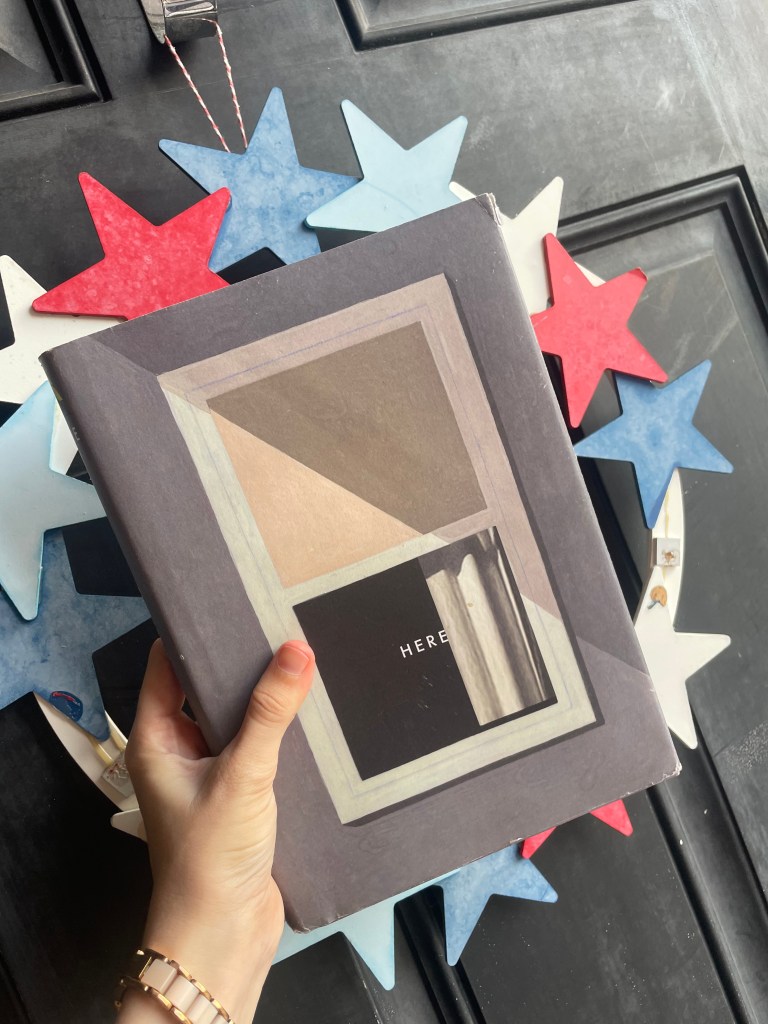
‘Here’ Book Review

Here by Richard McGuire is an innovative graphic novel that centers on a single corner of a room and examines the flow of time—stretching from billions of years ago (dinosaurs roaming) to far future epochs—through overlapping, non-linear panels supersummary.comen.wikipedia.orgscreendiver.com. What starts as a six-page comic has been expanded into a richly illustrated, 304-page volume where mundane moments (birthdays, arguments, cleaning) stand alongside epochs of geological transformation and human history brokenfrontier.com+5en.wikipedia.org+5newyorker.com+5. With layered visuals and shifting art styles, McGuire offers a poetic meditation on place, memory, and the impermanence—and persistence—of human life within physical space.”

At the time of writing this book review, I’m unsure of how to rate my experience reading the book. I don’t fully know what I just read, but one takeaway is that memory is a significant theme here. A home or a plot of land holds our memories, much like our bodies hold our lives. Our homes experience everything—every emotion, every sense. They witness parties, gifts being exchanged, disasters, sickness, love blooming, and major news events happening around the world. It makes me want to hug my house and say thank you for being the keeper of my memories. Just thinking about that brings up a lot of emotions. 

This has to mean something more than just a physical space; a piece of land or a building must have more significance than being merely physical. There’s an emotional connection there that’s giving me a lot to think about. 

As for the book itself, when I first got into the story, I noticed a lot to look at, visually speaking. There are multiple time frames presented on the same page—maybe one in 1957 and another in 1999—which made it hard for me to follow the story and understand why both events were being shown simultaneously. I found myself questioning how the characters are connected. Are they linked only because they occupied this plot of land at different times? There’s one family that we see having their picture taken every year, which made me wonder if some of these characters, decades down the line, are related to them or if they are the same characters in different forms, and I just can’t tell because of the art style.

This left me very confused, and I found myself getting increasingly frustrated with the flow of the book and the characters. Despite that, I experienced emotional moments that tugged at my heart. I do think this was a valuable experience, and it made me reflect a lot, but it was also quite frustrating. So, I would maybe recommend this book with some reservations.

3.25 out of 5 stars

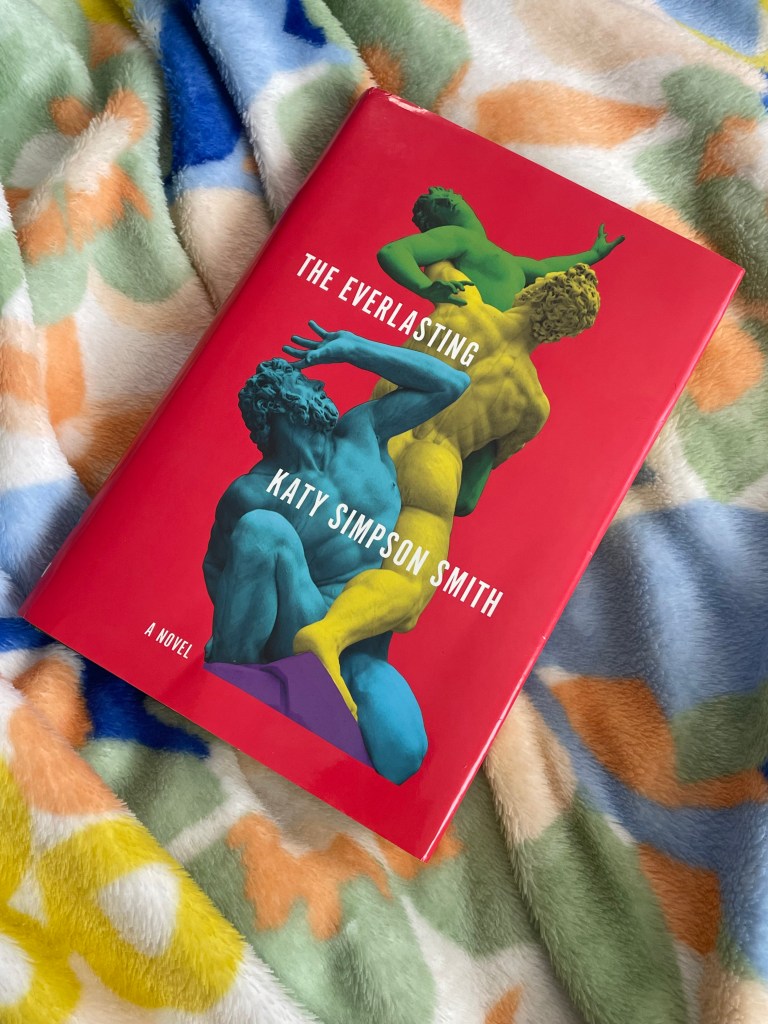
‘The Everlasting’ Reread Book Review

The Everlasting by Katy Simpson Smith is a sweeping, multi-century exploration of love, faith, and moral struggle, set against the rich backdrop of Rome. The novel follows four distinct protagonists—Prisca, a 12-year-old early Christian martyr; Felix, a medieval monk tending crypts; Giulia de’ Medici, a pregnant princess of Moorish heritage; and Tom, a contemporary American biologist—each grappling with desires, duty, and sacrifice in their own time. Interwoven with their stories is an omnipresent, time-traveling Satan who offers ironic commentary, binding these narratives across two millennia. Poetic and ambitious, the book poses timeless questions about goodness, forgiveness, and what it means to love in a world marked by impermanence and history.”

Original review:

This is going to be a complicated but loving book review. As always, we will start first with the characters. This was really a mixed bag of characters, but I wouldn’t say I felt extremely connected to any of them. The child, Christian martyr, Prisca, was definitely my favorite character. I love seeing the world through the eyes of a child, especially in an adult book rather than a book that is geared towards children. I also liked the atmosphere that her story presented as we are seeing the early days of Christianity. The Medici princess, Giulia, believe it or not, was my least favorite character. I just didn’t like her. She seemed to think she was better than everyone, and I didn’t think the character work was there for her. The two male characters, the one in the ninth century and the modern-day character, were fine, no strong feelings.

I loved the atmosphere in the story. I always talk about how there is so much history on the Italian peninsula, and that is amplified in this book, showing it off spanning thousands of years. The author did it in such a unique way, selecting random times rather than doing a huge book following all the time (I would love both, but I do really like how the author did it). In this one, again, the second-century plot was my favorite. That one is so unique and one that I’ve never read before in literature.

The writing is where this gets complicated. The dialogue was lazy. The prose was dense and overbearing, but there were moments I had to take a picture of a page because it was so good, and I had to share it. Overall, though, the writing made me feel exhausted, and I almost fell asleep reading this book at times. I definitely think this would be better as an audiobook, and when I do reread this book, I will do it as an audiobook.

The plot was by far my favorite part. Our main theme in the story is love and how it comes in all different forms and how it’s different for every person, but that was not my favorite theme in the story. My favorite theme was history and how everything is connected. If you are a history lover, you have to pick up this book. I loved this book, but it is not a new favorite.

 ⅘ Stars. April 14-20, 2024

Review on reread in 2025:

This time around, I listened to the audiobook version of the book while also reading the physical copy. I annotated the book this time. The audiobook features a multi-cast narration, with different narrators for each point of view. This made the characters feel much more personable. I understood them a whole lot better—why they were the way they were, why they felt the way they did, and why they acted as they did. Each character is going through their own set of struggles, and one of the main themes here is love in all its different forms. 

With each character, except for one who I’m really confused about, we see various expressions of love. First, we have Tom in 2015, who is having issues with his marriage but also shows the love of a father for his child. Then we have Giulia, the Medici princess, who is trying to find love for herself. Felix is the character I’m confused about; I can’t quite unravel what display of love he’s showing. It could be a combination of all these or something that I’m just not picking up on altogether. We also have Prisca, who demonstrates a love for God. 

I did enjoy Felix a lot this time. I don’t know if he’s my favorite character, but Prisca was my favorite character the first time around, and I still find her story to be so moving. We also need to talk about the omnipresent character of Satan. Something I didn’t know when I got the physical copy is that in the audiobook, Satan is narrated as a woman, which has made me think about so many things. Satan is depicted as a bitter ex, with God being the ex-partner of Satan. This has made me reflect a lot on the plot of the book, and I feel like there’s some kind of feminist undertone to the story, though I’m not exactly sure what that is yet. 

With the character of Satan, I realized how ever-present Satan is; while you have to build your relationship with God, Satan is always there off to the side, wanting to lure you off the cliff.

I absolutely loved the setting of Rome. We traverse 2,000 years of history, exploring all the different eras of the city. With the character of Satan, we also see glimpses of present and future events. If you’re someone who loves not just Roman history but history in general, then this is a book for you. 

This leads me to the writing. The writing is beautiful. While it might not be my absolute favorite style, I can see how it could be a bit much at times for some people. I definitely recommend the audiobook to get a better understanding of the writing style and to be more immersed in the story. The writing is so thought-provoking, with beautiful instances of reflection on things I had never considered before regarding history. I had to get the highlighter out for this one!

The first time I read the book, I was really focused on the historical theme of the story. While I acknowledged other themes like love and loneliness, I was primarily drawn to the history. The title, ” The Everlasting,” reflects the frequent discussion of everlasting love—love that only God can provide—and how, as humans, we are constantly looking towards everything He created, looking for love when it ultimately comes from him. However, this theme of love also delves into the emotions that accompany it: the pain, the lust, and, as I mentioned with Satan, the lurking presence of love. To experience that pure love, you must build a relationship and nurture it.

As for loneliness, it wasn’t something I picked up on during my first reading, but I now see that all these characters are struggling with it. Loneliness and love often go hand-in-hand; you can feel lonely because you haven’t found love, lost love, or tried to find love but couldn’t. 

Another thing I noticed is that ghosts are frequently mentioned, at least once in every point of view. This has me questioning whether there are ghosts of other characters lurking in the perspectives of others. Additionally, learning more about the character of Satan this time around, especially with Satan taking a personified form in the chapters, has really blown my mind. 

The intrigue was strong, and I actually didn’t remember much from my first reading; I just recalled the very basics. I don’t think there was a logical conclusion to the story—for Prisca’s story, perhaps, but for everyone else, it feels very open-ended and leaves me wanting more resolution. However, I do think this is an epic story, and lately, I’ve been questioning how a book that’s only about 300 pages can be epic. This book has confirmed for me that it is indeed possible. I loved this book even more than when I read it the first time, which speaks to the power of rereading and switching formats. Yes, I would definitely recommend that you pick it up!

4.25 out of 5 stars

‘I Gave You Eyes and You Look Toward Darkness’ Review

I Gave You Eyes and You Looked Toward Darkness by Irene Solà is a haunting, polyphonic novel set within a single day in a remote Catalonian farmhouse called Mas Clavell, where a dying matriarch named Bernadeta lies surrounded by the spectral voices of her female ancestors . Spanning centuries, the narrative weaves together folklore, witchcraft, devil’s bargains, wars, and curses linked to a pact struck by Joana, an ancestor who traded her soul for a husband—only to discover he was physically imperfect, dooming her descendants to bear birth defects the-tls.com+5kirkusreviews.com+5ft.com+5. Through surreal time shifts and vivid, earthy storytelling, the novel explores the resilience, suffering, and defiant humor of women who have survived brutal histories, as ghosts and living voices echo the landscape’s darker legacies goodreads.com+3ft.com+3theguardian.com+3.”

I really enjoyed these characters, with Joana being my favorite. They are campy and quirky, but not in a cringe-worthy way; they almost remind me of the witches in “Hocus Pocus.” However, I want to remind you that this is a horror novel. While these women might be comedic and the story may have humorous moments, at any moment, things could snap and become creepy. It was fun to see how different bits of history, as well as the present, are reacted to by different generations. 

We see these characters through all stages of life, and as I mentioned, they can be comedic or creepy, but they also have their flaws. They are all still people. These flaws can be mental or physical; they aren’t perfect characters. In fact, I would say they are quite imperfect, which makes them all the more enjoyable to read about because I never really knew what these women would do next.

The atmosphere was definitely my favorite part. This story feels so ancient; it seems like it could have been told around a fire pit hundreds of years ago, yet it could also be told in 2024 when it was published in English. It has that fairytale, folktale vibe, and I love that because there’s always something to be learned from that kind of story.

The writing is definitely unique. It’s somewhat confusing, and I found myself puzzled while reading at times. In some instances, this style is definitely an acquired taste. Normally, I’m not someone who enjoys descriptive, long, stream-of-consciousness writing; that’s typically not for me. However, when the book is less than 200 pages, I can manage it without issue. 

Something I did notice about the writing, which might be attributed to translation, is that there were a lot of big words I wasn’t familiar with, which caused some confusion for me as well. However, I loved the allegories and metaphors used, especially at the start of a chapter where a house is used to describe the human body and how our souls and lives are contained within that body, with the body being the house for our soul. I know that sounds confusing as I worded it now, but it’s truly incredible to think about.

There are a lot of themes in this book that are prevalent, such as motherhood, religion, and the powerful influence of religion itself. You really have to be careful about how you approach and handle these themes, as you could end up cursing your legacy and everyone who comes after you. However, I think the main theme here is that everything in life has blurred lines. Reality is a blurred line. Before I read the book, I didn’t check the back cover, but this sentence on it describes the story perfectly: “A novel in which the line between the dead and the living, past and present, story and history are blurred. In it, Irene Sola draws on oral tradition as well as art, literature, and fairytales to tell a completely new kind of story.” This description captures the essence of the book perfectly. Irene Sola hit the nail on the head with that.

If that was the kind of book she aimed to write, then it’s a perfect description. We would not be here in the present if it weren’t for history, and history wouldn’t be history if it weren’t for the present. This book felt like a fever dream, and while it can be a lot to take in at the moment, as I’ve done with her other work, the more I think about it, the more I realize how impactful and thought-provoking the author’s work can be.

Now, would I recommend this book? Yes, I would. I’d like to do some comparisons: if you like this book, then you might enjoy works by authors like Mona Awad or Otesha Moshfegh, as they often explore themes of “weird girl” literature. This book made me realize that if bodily fluids and bodily functions are a part of the narrative, it’s probably going to be a “weird girl” book. For other books that remind me of “Northwoods” by Daniel Mason, which explores how a plot of land holds so much history and influences the ambiance around it, I also think of the iconic classic “One Hundred Years of Solitude.” The village in that novel reminds me so much of the house in this book, with all the little mystical things happening to the family. 

Yes, I really did enjoy this book from one of my favorite authors.

3.75 out of 5 stars