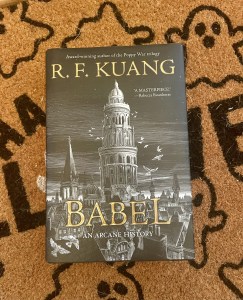
‘Babel’ Book Review

1828. Robin Swift, orphaned by cholera in Canton, is brought to London by the mysterious Professor Lovell. There, he trains for years in Latin, Ancient Greek, and Chinese, all in preparation for the day he’ll enroll in Oxford University’s prestigious Royal Institute of Translation—also known as Babel. The tower and its students are the world’s center for translation and, more importantly, magic. Silver-working—the art of manifesting the meaning lost in translation using enchanted silver bars—has made the British unparalleled in power, as the arcane craft serves the Empire’s quest for colonization. – Description from Goodreads.

At first, I loved Robin as a character. He had this innocence of childhood to him and we see him come to age as a young man enrolling, in university, at Oxford. His story truly felt magical, it was very reminiscent of the vibes that the Harry Potter series gave to me as a child. Ramy, he was a character that I hated. He was a jerk and yes, he was treated poorly, but that does not give him the right to go and treat others the same way. Now, yes, it is realistic that bullies were usually bullied or insecure themselves but the book seemed to not think he was doing anything wrong when he was. Victorie, there was not a lot to her character. SHe was mainly just off to the side so I liked her alright but I wish there could have been more dimension to her. I loved the epilogue that was at her perspective. Letty, a character that I felt bad for. I liked her but she was just done dirty. Let’s get into that. Robin and Letty both practically snapped. They took complete turns, in their character developments, in the last quarter of the novel. Now, I do understand how these arcs can happen but there was not enough development from point a to point b to get us to where their stories ended. I was shocked by how poorly these characters were written but maybe this just needed to be a series like ‘The Poppy Wars’, rather than a standalone.

I really enjoyed the Georgian and Victorian settings. I am so used to only seeing this setting portrayed in England, which the majority of this was, but we also got to venture to China as well. I’ve read several books with Chinese settings this year and I have enjoyed getting to see that country’s history. This is a dark academia setting as well as the majority of the story takes place at Oxford. Dark academia does not do anything for me but I do know that a lot of people love that subgenre. However, the school setting did feel magical. Again, it was really reminiscent of Harry Potter.

  The writing is another reason why I did not absolutely love this book like I thought I would. First, it was very dense. I usually have no issue for heavier size fiction but here it was just too much for me. I could only read about twenty five pages in one sitting when usually I can read double that. I would not recommend this book to someone just getting into reading as it is a lot to digest. That being said, this book could have been about a hundred to hundred and fifty pages shorter than it was. Yet, the characters still needed more time to develop. It’s confusing but I stopped caring about the plot after so long, this book was not executed properly. 

 The plot was fantastic and unique. I have not read anything like this novel. There are slight hints of ‘The Name of the Wind’ and ‘Harry Potter’, but, as I said, slight. The coming of age storyline feels so magical and you can just feel the childlike wonder coming off the pages from Robin. The writer also discusses themes of colonialism and racism. Racism is obviously a hot topic nowadays but I had never read a book dealing with colonialism until this one. My goal in reading is always to see the world through someone else’s eyes and ‘Babel’ did a great job at that. 

I was shocked by how poorly these characters were written but maybe this just needed to be a series like ‘The Poppy Wars’, rather than a standalone. I really enjoyed the Georgian and Victorian settings. The writing is another reason why I did not absolutely love this book like I thought I would. My goal in reading is always to see the world through someone else’s eyes and ‘Babel’ did a great job at that. I still enjoyed the majority of my time reading “Babel’, and would encourage you to give this story a chance. However, it did not live up to the five star prediction set in the book.

3.5 out of 5 stars.

‘Delirium’ Book Review

Delirium opens when its main protagonist, an ex-English professor turned traveling Purina salesman named Aguilar, discovers that while away on a four-day business trip his wife Agustina endured an experience that provoked a severe dissolution of her sanity. The book chronicles Aguilar’s search for answers and his efforts to rehabilitate his young, beautiful and admittedly singular wife through the use of alternating narrative styles that, as the novel progresses, shed further light on the mysterious events that took place during Aguilar’s absence as well as the nature of Agustina’s family and childhood, both of which precipitated Agustina’s struggle with mental illness.” Description from Wikipedia.

I could not get into the characters of this novel as it was nearly impossible to tell who’s perspective we were reading from. It was constantly changing who we were reading from and then different tenses going between, first, second, and third, sometimes all in the same paragraph. It was honestly confusing and a hard time to differentiate between characters.

   The atmosphere was the best and possibly only good part about this novel. It is set in Colombia but maybe some parts were in Europe? I am still unsure about that. This book took place at such a tumultuous time and location that you are bound to have great stories from it.  

The writing was too difficult to understand. As I touched on earlier, there were constant changes in perspective and tense that I really had a hard time following the writing without confusion.

This story sounds extremely interesting. To my understanding it was a husband trying to get a woman out of her madness by telling her stories of the past. Again, I could be wrong because I was extremely confused. However, if that is the plot, that is interesting and needs to be executed better.

I could not get into the characters of this novel as it was nearly impossible to tell who’s perspective we were reading from.It was honestly confusing and a hard time to differentiate between characters.The atmosphere was the best and possibly only good part about this novel.This book took place at such a tumultuous time and location that you are bound to have great stories from it.The writing was too difficult to understand. As I touched on earlier, there were constant changes in perspective and tense that I really had a hard time following the writing without confusion.This story sounds extremely interesting.However, if that is the plot, that is interesting and needs to be executed better. ‘Delirium’ made me delirious. 

1 out of 5 stars. 

‘Play it as it Lays’ Review

“Play It as It Lays” is a novel written by Joan Didion, published in 1970. Set in Los Angeles during the 1960s, the story revolves around Maria Wyeth, a former actress dealing with her crumbling marriage, a troubled relationship with her daughter, and her own mental health struggles. As Maria navigates through a world of superficiality, nihilism, and despair, the narrative delves into themes of Hollywood disillusionment, identity crisis, and the search for meaning in an increasingly fragmented society. With its fragmented narrative style and introspective tone, “Play It as It Lays” offers a stark portrayal of a woman’s struggle to find her place in an indifferent world.” – Description provided by ChatOn AI. 

The main character, Maria is so similar to other women we see portrayed in this subgenre of feminist books and more so what we call now on social media, “sad girl lit.” This is the first classic piece that I read that explores certain themes like mental health and strained relationships but I do think the characterization given by Joan Didion was definitely influential to characters we see in books by authors such as Ottessa Moshfegh and Taylor Jenkins Reid. These characters are typically not likable, they are going through a crisis after all, but I enjoy seeing how the human mind works and how humans all go through situations differently. That being said, these kinds of books and characters are enjoyable for me to read.

I loved the setting of California and Nevada. Reading a book that was contemporary to 1970, it was not filled with over the top pop culture references that you would now see in a historical fiction piece taking place in the same setting. It was just so natural not trying to be anything that it was not. 

The writing was my favorite part of, ‘Play It as It Lays’. It was blunt and straightforward, no beating around the bush. Lately, I have been reading so many books that are lyrical or poetic. That writing style makes me question what the writer is trying to say, giving me a hard time understanding and having to go back and read paragraphs over and over again. With Joan Didion though, you do not need to worry about that at all. This gives an accessible and fast paced experience for the reader.

One thing that was not strong was the plot. This is a character driven novel and if you do not find those kinds of stories appealing then this will be a boring ride for you. This is a deep dive on the human mind of a woman who is going through quite a lot in life. Coming to terms with her childhood and past. She is also going through decisions to make on her marriage and a struggling relationship she has with her ill daughter. Maria is also a woman who is aging and in her line of work that is not viewed as a good thing even if it is inevitable. This book may have been published over fifty years ago but a modern woman can relate to the themes presented.

The main character, Maria is so similar to other women we see portrayed in this subgenre of feminist books and more so what we call now on social media, “sad girl lit.” That being said, these kinds of books and characters are enjoyable for me to read. I loved the setting of California and Nevada. It was just so natural not trying to be anything that it was not. The writing was my favorite part of, ‘Play It as It Lays’. It was blunt and straightforward, no beating around the bush. This gives an accessible and fast paced experience for the reader. One thing that was not strong was the plot. This book may have been published over fifty years ago but a modern woman can relate to the themes presented. 

4.5 out of 5 stars.

‘A Man Called Ove’ Book Review

“”A Man Called Ove” is a heartwarming and humorous novel about a grumpy and solitary man named Ove who has given up on life after the death of his beloved wife. The book explores Ove’s life and the events that have led him to become the curmudgeonly person he is today. Despite his rough exterior, Ove is a man of routine and order who is fiercely loyal to those he cares about. He has a deep love for his late wife, Sonja, and struggles to come to terms with her absence. As Ove navigates his grief, he becomes involved in the lives of his neighbors, including a pregnant woman named Parvaneh and her family, a young couple who move in next door, and a stray cat who seems to have taken up residence in his house. Through these interactions, Ove begins to see the value in human connection and begins to open up to those around him.” – Description from ChatOn.

Fredrik Backman is a king of making characters. By the outside, Ove being your typical grumpy old man who complains about his neighborhood problems, you are probably like how could I ever feel and love a character like that? That is probably what most readers are thinking when they see the cover of this book. Backman does it though, he makes you root for these characters that most authors would never even think about writing whole novels on. The Swede is a master at character work.

As this novel does take place in Sweden, there were some cultural differences that I had to get used to at first. I am amazed that they could make a film of this taking place in Pittsburgh because so many of these plot events I feel like could not take place in America. It is always eye opening at getting to see what everyday life is like in another country.

While reading the writing of Backman, it is never lyrical, poetic, or what most people would call beautiful. It isn’t. It is actually quite blunt. I did skim through some of the prose just to get to the spoken dialogue because a lot of the inner thoughts were repetitive. However, I will say some paragraphs or sentences that are presented really make you sit back and think about what was just stated.

There are plenty of themes in ‘A Man Called Ove’ that are not often written about in books, let alone talked about in life. I think fear of the unknown causes such a thing. The main theme that I am going to write about here is that of aging. Age is a beautiful thing because not everyone gets to grow old, people who are old have had plenty of life experiences and therefore knowledge to pass on to others. Old people should not just be pushed aside and forgotten, they were young once too and might have that grumpy personality from said experiences in life. You should not judge someone on their looks or whatever the first impression might be on meeting. There is something to be learned from all people that you meet, from three-year-olds to senior citizens, every life has value, and everyone has something that you can learn from. These themes are so rarely talked about but need to be more. 

Fredrik Backman is a king of making characters. Backman does it though, he makes you root for these characters that most authors would never even think about writing whole novels on. As this novel does take place in Sweden, there were some cultural differences that I had to get used to at first. It is always eye opening at getting to see what everyday life is like in another country. While reading the writing of Backman, it is never lyrical, poetic, or what most people would call beautiful. However, I will say some paragraphs or sentences that are presented really make you sit back and think about what was just stated. There are plenty of themes in ‘A Man Called Ove’ that are not often written about in books, let alone talked about in life. These themes are so rarely talked about but need to be more. I loved this book, but it is not a new favorite.

4 out 5 stars.

‘The Scarlet Pimpernel’ Review

“The Scarlet Pimpernel is a novel by Baroness Orczy that takes place during the French Revolution. The story follows a group of French aristocrats who are being targeted by the revolutionaries and are in danger of being executed. The Scarlet Pimpernel is a mysterious figure who has been rescuing these aristocrats from France and bringing them to safety in England. The French authorities are desperate to catch the Scarlet Pimpernel, but he always manages to evade them. The main character is Sir Percy Blakeney, a wealthy Englishman who is secretly the Scarlet Pimpernel. Sir Percy’s wife, Marguerite, is a French actress who is caught up in the political turmoil of the revolution. Marguerite is initially suspected of being a spy for the revolutionaries, but Sir Percy eventually clears her name. The novel ends with the Scarlet Pimpernel successfully rescuing the last of the French aristocrats and returning them to England.” – ChatOn description of the book. ‘

By the description of the book, it states that Sir Percy is the main character of the book, yes, a lot of the story does revolve around him, but I more so think that Marguerite is the main character here. She is a woman in a foreign country, a country that looks down upon her own, and a woman who has no idea what is happening to her family across the channel. She is being black mailed and a strong and passionate woman in the situation that she is placed into within these pages. That being said, she was the most developed of the characters. This book does present themes such as anonymity and deception, that made it hard to tell the difference between the male characters.

The atmosphere is a common one for the Edwardian time period of when ‘The Scarlet Pimpernel’ was published. I am curious if authors of the time were inspired by the French Revolution like today’s authors are inspired by World War II. The descriptive writing gave this story a rich atmosphere and it was easy to picture the scenes that were playing out.

Playing in with the atmosphere, the writing was very descriptive, but it never over did it. It never made you feel bogged down and you could not get out. However, my mind did seem to drift off a lot, I think this is from either too many characters, or the lack of development on said characters. The writing was reminiscent of the likes of Dickens and Shelley with the ability at painting a scene inside of the reader’s head.

The plot sounds great in theory and when I first read this book it really did spark me interest in historical fiction. However, I have since read books that follow the same historical events, those books being Les Miserable and The Tale of Two Cities, this one just does not compare to those. It is very one dimensional and I do think if this book was published today, it would still be popular because of its main female lead.

By the description of the book, it states that Sir Percy is the main character of the book, yes, a lot of the story does revolve around him, but I more so think that Marguerite is the main character here. This book does present themes such as anonymity and deception, that made it hard to tell the difference between the male characters. The atmosphere is a common one for the Edwardian time period of when ‘The Scarlet Pimpernel’ was published. The descriptive writing gave this story a rich atmosphere and it was easy to picture the scenes that were playing out. Playing in with the atmosphere, the writing was very descriptive, but it never over did it. The writing was reminiscent of the likes of Dickens and Shelley with the ability at painting a scene inside of the reader’s head. The plot sounds great in theory and when I first read this book it really did spark me interest in historical fiction. It is very one dimensional and I do think if this book was published today, it would still be popular because of its main female lead. This book has nothing wrong with it but it could be so much more. 

2.25 out of 5 stars.

‘Goliath’ Book Review

‘Goliath’ is set on Earth in the near future, the 2050s. Those of privilege have left the United States to head to space colonies to live a more comfortable life. Those left behind are left with a damaged land and are left to salvage all that is left.

The characters were all interchangeable. I can tell you their names but not much past that. This seems to be a case of too many characters and not enough page time. However, the two that stood out to me were Bishop and Sydney. They really blossomed with the inclusion of back stories. Overall, the way this book was setup, it made it hard to connect with the cast of characters. 

I thought the setting of this being somewhere not too far in the future was great. 2050, seems like forever away but it really is not in the grand scheme of things. Oftentimes, we look back at decades past, civilizations past, and in this book, we are the society that is being looked back at. It really makes you think about how we go about life and everything that our society circles around.

The writing was my biggest issue. First off, the timelines were really hard to follow for the first fifty percent of the novel. It was bouncing around between past and present before I was set in stone into the novel to have a better understanding of where I was. The writing was also chunky and went on for far too long, I found myself having to skim through the last quarter. Again, all of this improved in the second half of the book.

The plot really could have been at any time. Do not go into this expecting a heavy science fiction novel. Now that I sit here and think about it, this book is probably extremely realistic on what could possibly happen in the future. It is really heavy on current issues and how they will have an impact on future generations which is an interesting concept. Fans of My Monticello should definitely give this one a go.

The characters were all interchangeable. Overall, the way this book was set up, it made it hard to connect with the cast of characters. I thought the setting of this being somewhere not too far in the future was great. It really makes you think about how we go about life and everything that our society circles around. The writing was my biggest issue. The writing was also chunky and went on for far too long, I found myself having to skim through the last quarter. The plot really could have been at any time. It is really heavy on current issues and how they will have an impact on future generations which is an interesting concept. ‘Goliath’ was just not executed properly and if the chapters were rearranged, this could have played out better.

2.5 out of 5 stars. 

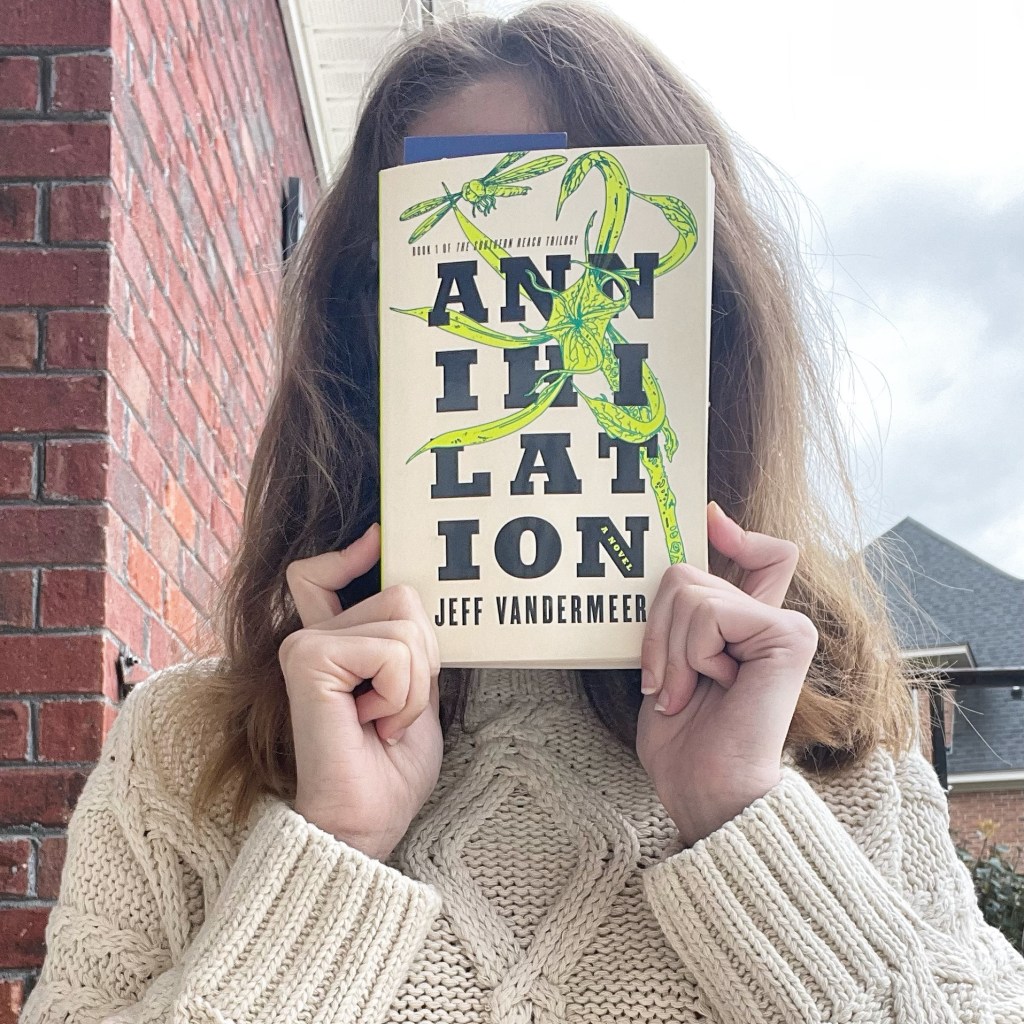
‘Annihilation’ Book Review

Area X has been locked away from the world for decades. Every few years, the Southern Reach Project send in a group of people to survey the land. Most of the time the expeditions do not make it back. This year, it is a group of four women who have to survey and map the terrain.

If you are like me, and character exploration is your favorite thing about reading, ‘Annihilation‘ will not be a book that you come out of loving. The way the character development is done by the author is very creative. We are never given a name of our narrator, as this is their account of their time in Area X, they are not supposed to get personal with the other team members. It was interesting but I never felt a strong connection with the narrator.

At first, I thought this atmosphere was going to be great because the nature writing was so good, but then I began to ask questions. Why is Area X a thing? What caused it? What is the outside world like? Is it a dystopian society or the world as we know it? We do get some answers but nothing in great detail. This book, as it is an account, would make sense if someone in the book universe was reading it but for someone in our real world it can be confusing. Other than that, the author did a great job at really putting the reader inside Area X.

The writing was my favorite part of Annihilation. As stated before, the nature writing is superb. We really get to see how lush but almost claustrophobic Area X is. If you are someone who enjoyed the writing of ‘Where the Crawdads Sing’, you will probably like the writing here even if the genres are completely different. This reads like a nonfiction as this is the character’s account of her time in the area. I really was not expecting that and it was something different for me in the science fiction genre.

On paper, the plot sounds like something I would enjoy. The character work was not there though, so therefore, I did not care what was happening to the characters and that meaning the plot became irrelevant to me.

If you are like me, and character exploration is your favorite thing about reading, ‘Annihilation‘ will not be a book that you come out of loving.The character development was done in an interesting form but I never felt a strong connection with the narrator. At first, I thought this atmosphere was going to be great because the nature writing was so good, but then I began to ask questions.Other than that, the author did a great job at really putting the reader inside Area X. The writing was my favorite part of Annihilation. I really was not expecting that and it was something different for me in the science fiction genre. On paper, the plot sounds like something I would enjoy. This was a good book but I am not rushing to pick up the next ones in the series.

3 out of 5 stars.

‘Owen’ Book Review

‘Owen’ is the story of a man who went from a Welsh solider in the English army, to a servant, and then ended up marrying the dowager queen of England. His descendants would go on to rule multiple countries around Europe. The founder of a great dynasty that would change England and therefore the world.

Owen Tudor is one of the people in the Wars of the Roses, that I have never seen portrayed in film or writing. That was until I read this book. I think it is quite strange that many have not ventured into writing about this man as in a sense he founded the Tudor Dynasty. The character work here is very one dimensional but I can see why since there is not a lot to base Owen on. I did like the portrayal of Queen Catherine and the dialogue that came along with that.

I have talked far and wide for my love of the Middle Ages and more specifically the Wars of the Roses time period. The author did a great deal of research on the time period and the people in it.

The writing is where I think this fell flat for me but it also could have been the plot but we will get to that. It was very mechanical and simple. Which does make for an easy read but I got bored with it. One dimensional is a word that I would use to overall describe my time reading ‘Owen’.

As stated before, it is obvious that the writer did his research for the first installment of the Tudor trilogy. That is great but it also held him back a lot. If you know the life of Owen Tudor that is exactly what you are going to get with very few moments going in depth or veering off course. It got dull and repetitive as the story went on.

The character work here is very one dimensional but I can see why since there is not a lot to base Owen on.The author did a great deal of research on the time period and the people in it. The writing was very mechanical and simple. The plot got dull and repetitive as the story went on. I did not hate this book or love it, I left it with no strong feelings therefore it will a receive a 2.5 star.

Five Star Predictions for 2023

Here are the books that I plan to read this year, 2023, that I believe will be five stars. The best of the best. I will be leaving the description of each book below but I would like to say that these are copied from Goodreads and not personally written by me.

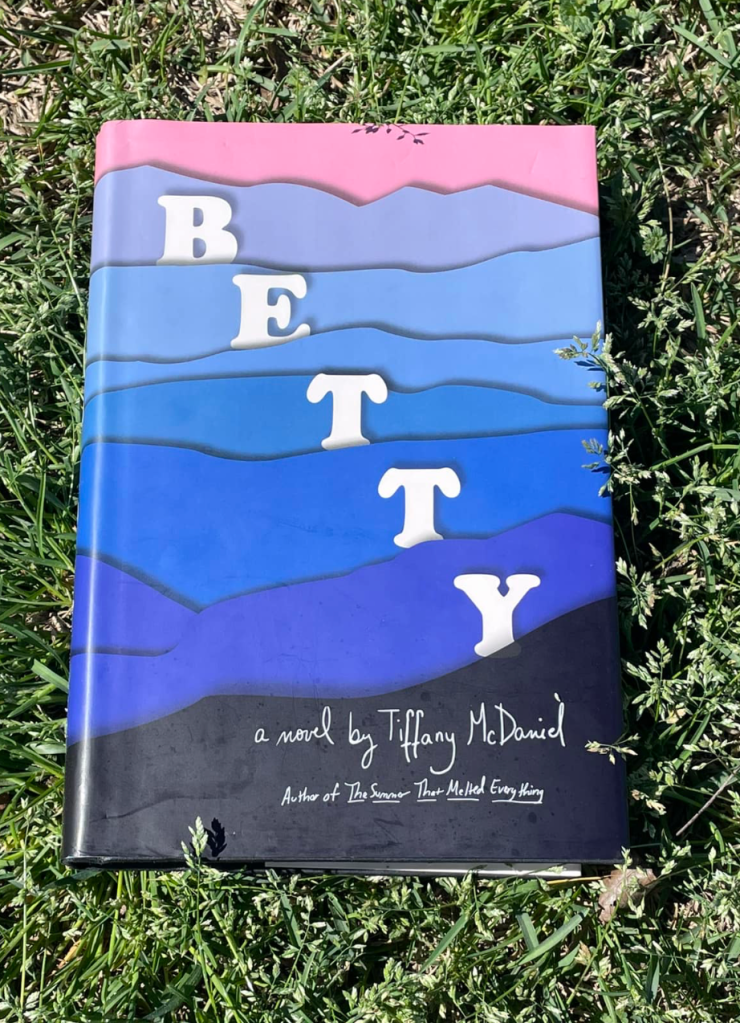
Betty –

So begins the story of Betty Carpenter. Born in a bathtub in 1954 to a Cherokee father and white mother, Betty is the sixth of eight siblings. The world they inhabit is one of poverty and violence–both from outside the family, and also, devastatingly, from within. The lush landscape, rich with birdsong, wild fruit, and blazing stars, becomes a kind of refuge for Betty, but when her family’s darkest secrets are brought to light, she has no choice but to reckon with the brutal history hiding in the hills, as well as the heart-wrenching cruelties and incredible characters she encounters in her rural town of Breathed, Ohio.

Inspired by the life of her own mother, Tiffany McDaniel sets out to free the past by telling this heartbreaking yet magical story–a remarkable novel that establishes her as one of the freshest and most important voices in American fiction.

Love, Pamela – 

PAMELA ANDERSON’s blond bombshell image was ubiquitous in the 1990s. Discovered in the stands during a Canadian football game, she was quickly launched into superstardom, becoming Playboy‘s favorite cover girl and an emblem of Hollywood glamour and sex appeal. Yet the Pamela Anderson we think we know was created through happenstance rather than careful cultivation. Love, Pamela brings forth her true story: that of a small-town girl getting tangled up in her own dream.

Pamela forged ahead with grace, finding sanctuary in her love of art and literature, and emerged a devoted mother and activist. Now, having returned to the island of her childhood, after a memorable run starring as Roxie in Chicago on Broadway, Pamela is telling her story, a story of an irrepressible free spirit coming home and discovering herself anew at every turn. With vivid prose interspersed with bursts of original poetry, Love, Pamela is a pensive, layered, and unforgettable memoir. 

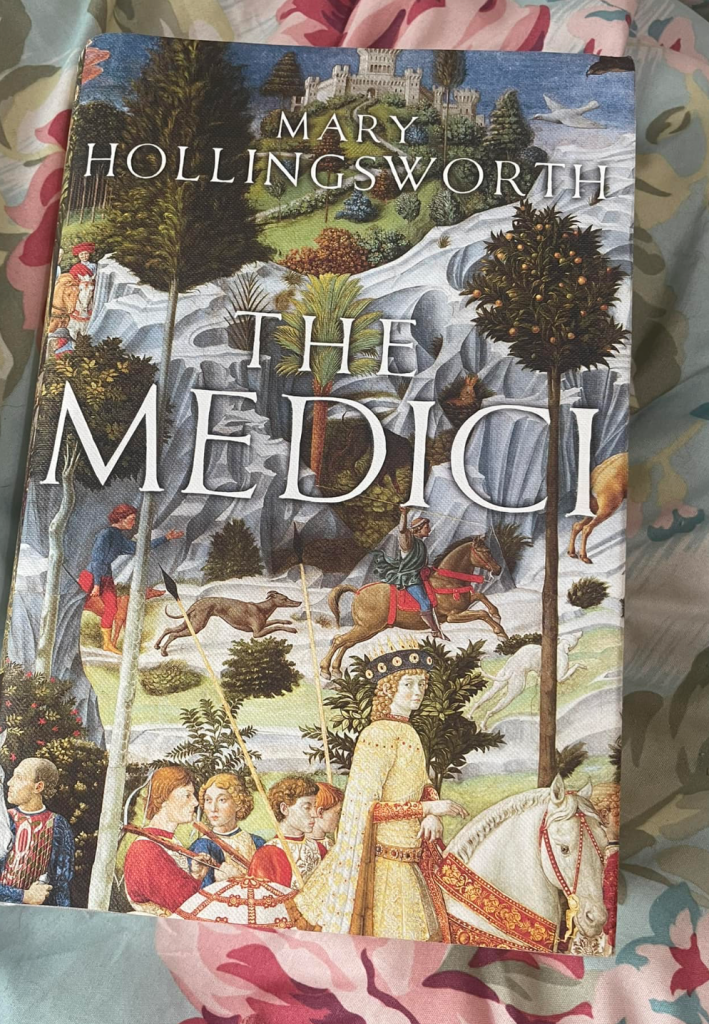
The Medici – 

Wealthy bankers, wise politicians, patrons of the arts, glittering dukes… so runs the traditional telling of the story of the Medici, the family that ruled Florence for two hundred years and inspired the birth of the Italian Renaissance.

In this definitive account of their rise and fall, Mary Hollingsworth argues that the idea that the Medici were wise rulers and enlightened fathers of the Renaissance is a fiction. In truth, she says, the Medici were as devious and immoral as the Borgias – tyrants loathed in the city they illegally made their own and which they beggared in their lust for power.

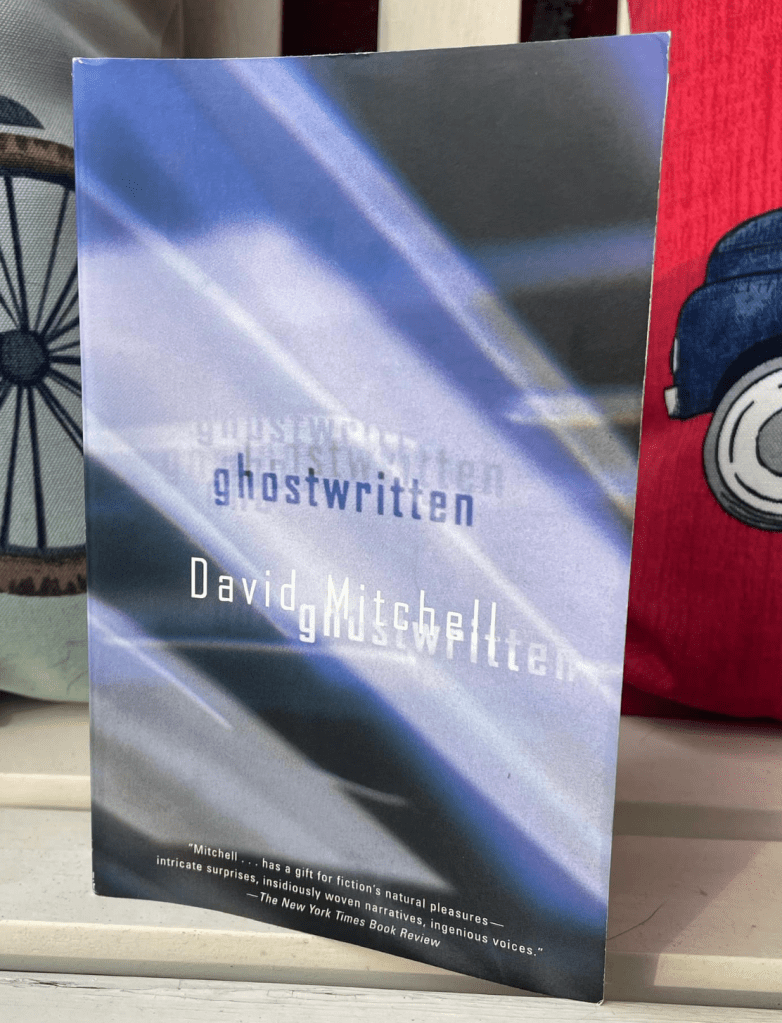
Ghostwritten – 

A gallery attendant at the Hermitage. A young jazz buff in Tokyo. A crooked British lawyer in Hong Kong. A disc jockey in Manhattan. A physicist in Ireland. An elderly woman running a tea shack in rural China. A cult-controlled terrorist in Okinawa. A musician in London. A transmigrating spirit in Mongolia. What is the common thread of coincidence or destiny that connects the lives of these nine souls in nine far-flung countries, stretching across the globe from east to west? What pattern do their linked fates form through time and space?

A writer of pyrotechnic virtuosity and profound compassion, a mind to which nothing human is alien, David Mitchell spins genres, cultures, and ideas like gossamer threads around and through these nine linked stories. Many forces bind these lives, but at root all involve the same universal longing for connection and transcendence, an axis of commonality that leads in two directions—to creation and to destruction. In the end, as lives converge with a fearful symmetry, Ghostwritten comes full circle, to a point at which a familiar idea—that whether the planet is vast or small is merely a matter of perspective—strikes home with the force of a new revelation. It marks the debut novel of a writer with astonishing gifts.

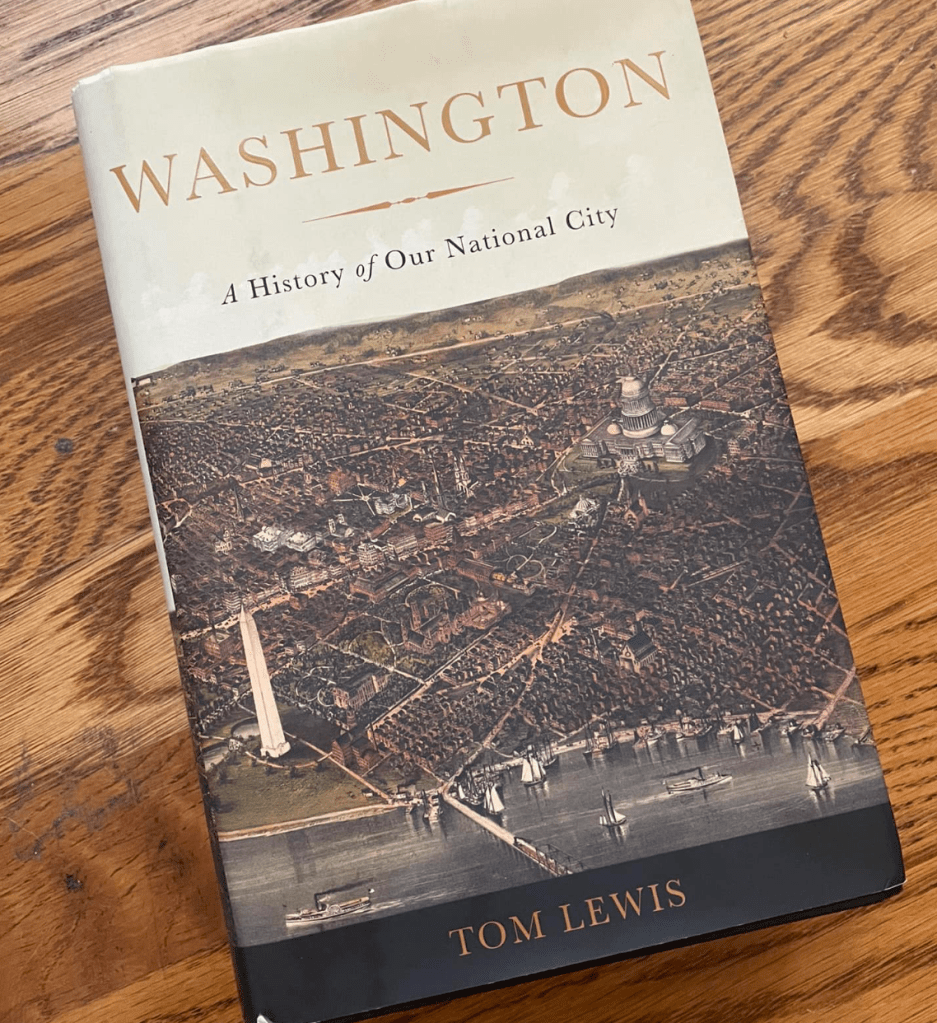
Washington – 

On January 24, 1791, President George Washington chose the site for the young nation’s capital: ten miles square, it stretched from the highest point of navigation on the Potomac River, and encompassed the ports of Georgetown and Alexandria. From the moment the federal government moved to the District of Columbia in December 1800, Washington has been central to American identity and life. Shaped by politics and intrigue, poverty and largess, contradictions and compromises, Washington has been, from its beginnings, the stage on which our national dramas have played out.

“It is our national center,” Frederick Douglass once said of Washington, DC; “it belongs to us, and whether it is mean or majestic, whether arrayed in glory or covered in shame, we cannot but share its character and its destiny.” Interweaving the story of the city’s physical transformation with a nuanced account of its political, economic, and social evolution, Lewis tells the powerful history of Washington, DC ” the site of our nation’s highest ideals and some of our deepest failures.

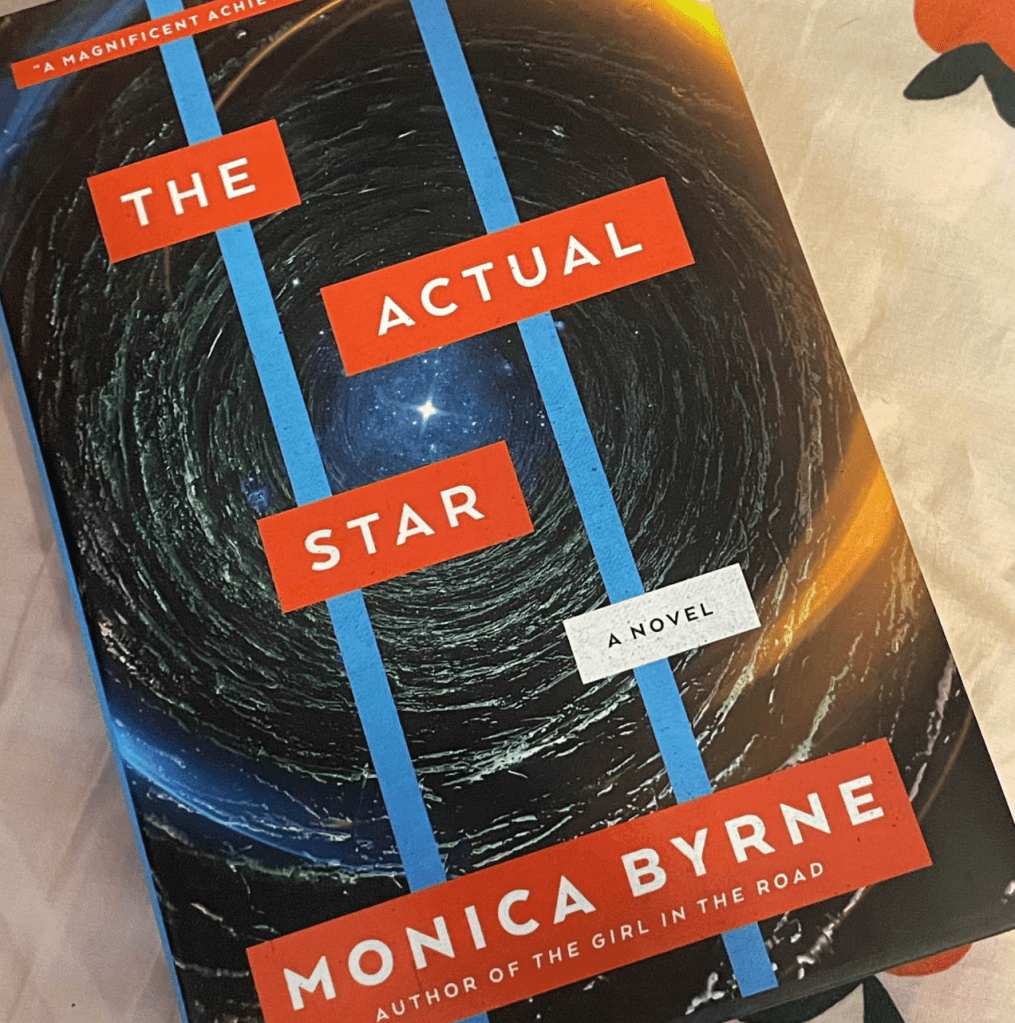
The Actual Star – 

The Actual Star takes readers on a journey over thousands of years and six continents —collapsing three separate timelines into one cave in the Belizean jungle.

In each era, age-old questions about existence and belonging and identity converge deep underground. Because only in complete darkness can one truly see the stars. 

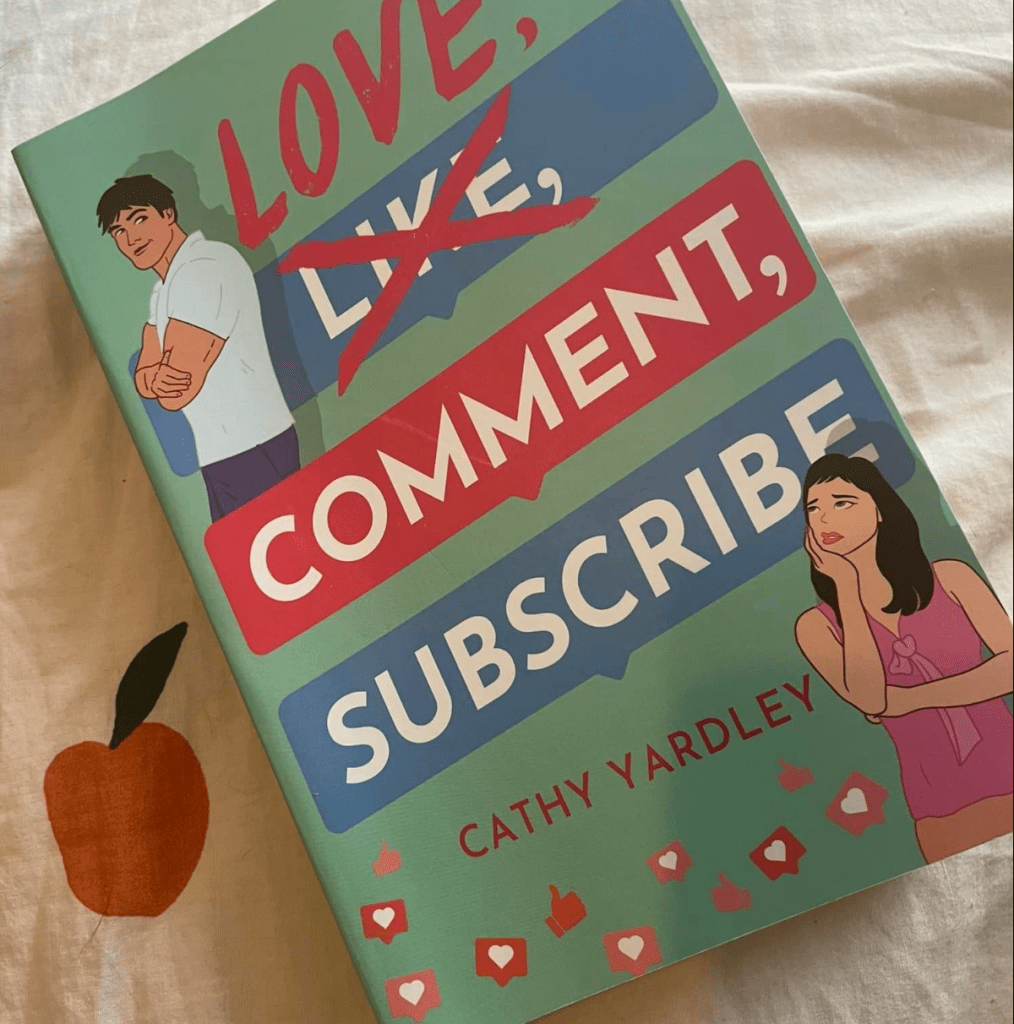
Love, Comment, Subscribe – 

Back in high school, Lily Wang wanted to be popular, but she considered herself lucky to be part of a tight group of oddballs and honors students called the Nerd Herd. Now, at twenty-eight, she feels like she’s finally on the cusp of succeeding as a beauty influencer—if she can hit five million subscribers, brands will take notice and she could get her own makeup line.

Fellow Nerd Herd alum Tobin Bui has had a lot of success as a YouTube gamer. But the road to online stardom has been rocky. First, he disappointed his parents by dropping out of college, and now, after years of pranks, skits, and playthroughs, he’s struggling to come up with new content to satisfy his ever-growing fan base. His agents say he needs cross-audience appeal, a new twist.

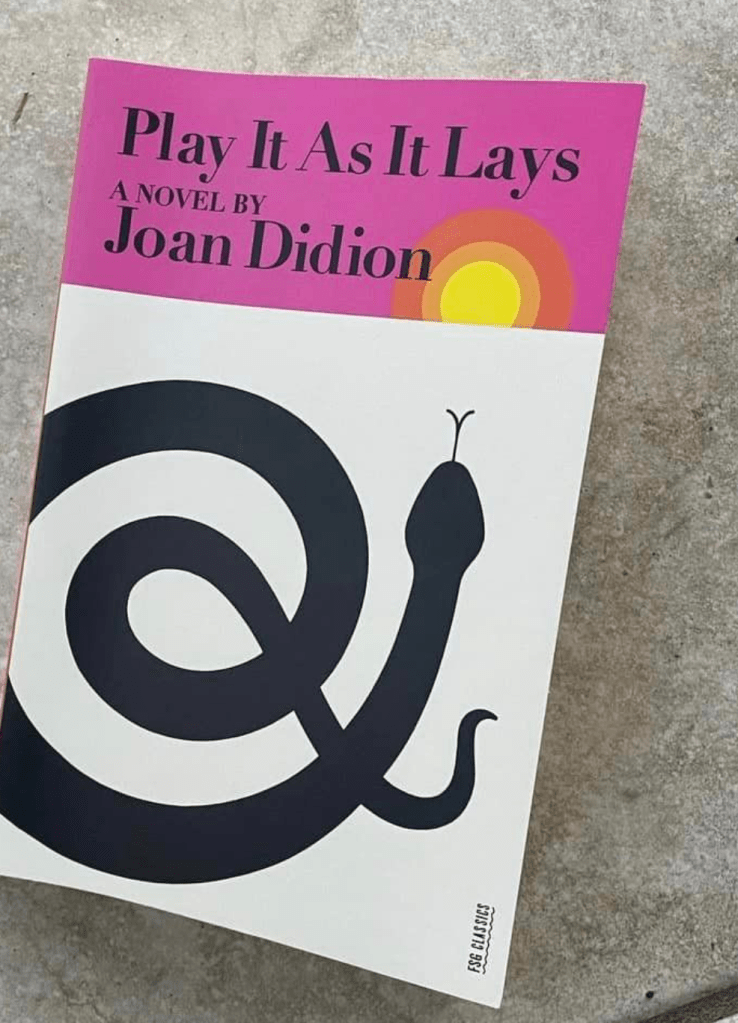
Play it as it Lays – 

A ruthless dissection of American life in the late 1960s, Play It as It Lays captures the mood of an entire generation, the ennui of contemporary society reflected in spare prose that blisters and haunts the reader. Set in a place beyond good and evil – literally in Hollywood, Las Vegas, and the barren wastes of the Mojave Desert, but figuratively in the landscape of an arid soul – it remains more than three decades after its original publication a profoundly disturbing novel, riveting in its exploration of a woman and a society in crisis and stunning in the still-startling intensity of its prose.

Babel – 

1828. Robin Swift, orphaned by cholera in Canton, is brought to London by the mysterious Professor Lovell. There, he trains for years in Latin, Ancient Greek, and Chinese, all in preparation for the day he’ll enroll in Oxford University’s prestigious Royal Institute of Translation—also known as Babel.

For Robin, Oxford is a utopia dedicated to the pursuit of knowledge. But knowledge obeys power, and as a Chinese boy raised in Britain, Robin realizes serving Babel means betraying his motherland. As his studies progress, Robin finds himself caught between Babel and the shadowy Hermes Society, an organization dedicated to stopping imperial expansion. When Britain pursues an unjust war with China over silver and opium, Robin must decide…

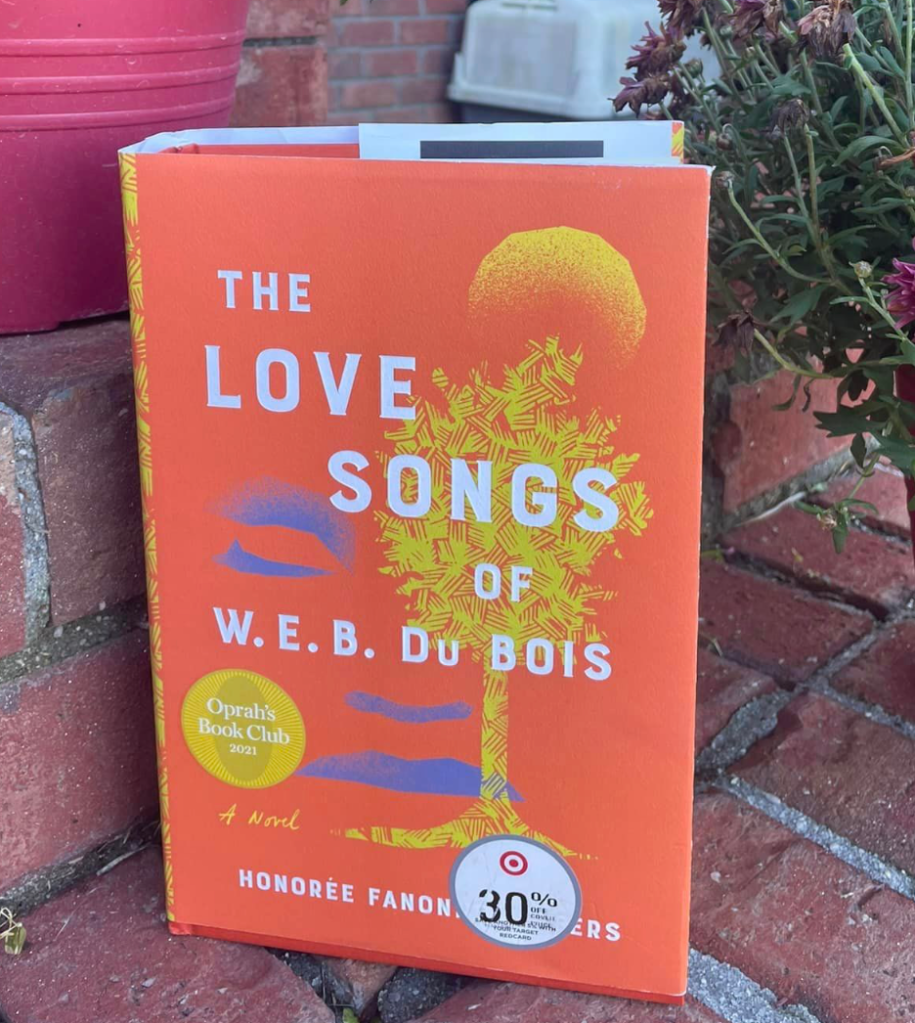
The Love Songs of W.E.B Dubois –

The great scholar, W. E. B. Du Bois once wrote about the Problem of Race in America, and what he called “Double Consciousness,” a sensitivity that every African American possesses in order to survive. Since childhood, Ailey Pearl Garfield has understood Du Bois’s words all too well. Bearing the names of two formidable Black Americans—the revered choreographer Alvin Ailey and her great grandmother Pearl, the descendant of enslaved Georgians and tenant farmers—Ailey carries Du Bois’s Problem on her shoulders.

To come to terms with her own identity, Ailey embarks on a journey through her family’s past, uncovering the shocking tales of generations of ancestors—Indigenous, Black, and white—in the deep South. In doing so Ailey must learn to embrace her full heritage, a legacy of oppression and resistance, bondage and independence, cruelty and resilience that is the story—and the song—of America itself.

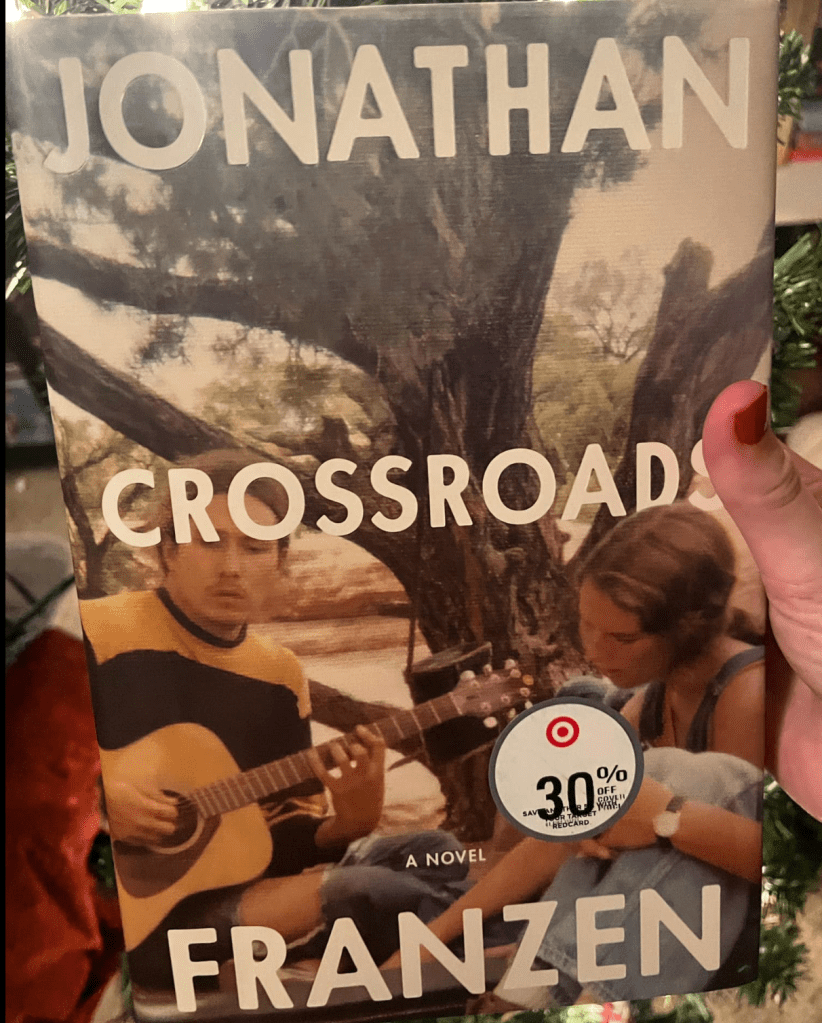
Crossroads –

It’s December 23, 1971, and heavy weather is forecast for Chicago. Russ Hildebrandt, the associate pastor of a liberal suburban church, is on the brink of breaking free of a marriage he finds joyless–unless his wife, Marion, who has her own secret life, beats him to it. Their eldest child, Clem, is coming home from college on fire with moral absolutism, having taken an action that will shatter his father. Clem’s sister, Becky, long the social queen of her high-school class, has sharply veered into the counterculture, while their brilliant younger brother Perry, who’s been selling drugs to seventh graders, has resolved to be a better person. Each of the Hildebrandts seeks a freedom that each of the others threatens to complicate.

A tour de force of interwoven perspectives and sustained suspense, its action largely unfolding on a single winter day, Crossroads is the story of a Midwestern family at a pivotal moment of moral crisis. Jonathan Franzen’s gift for melding the small picture and the big picture has never been more dazzlingly evident. 

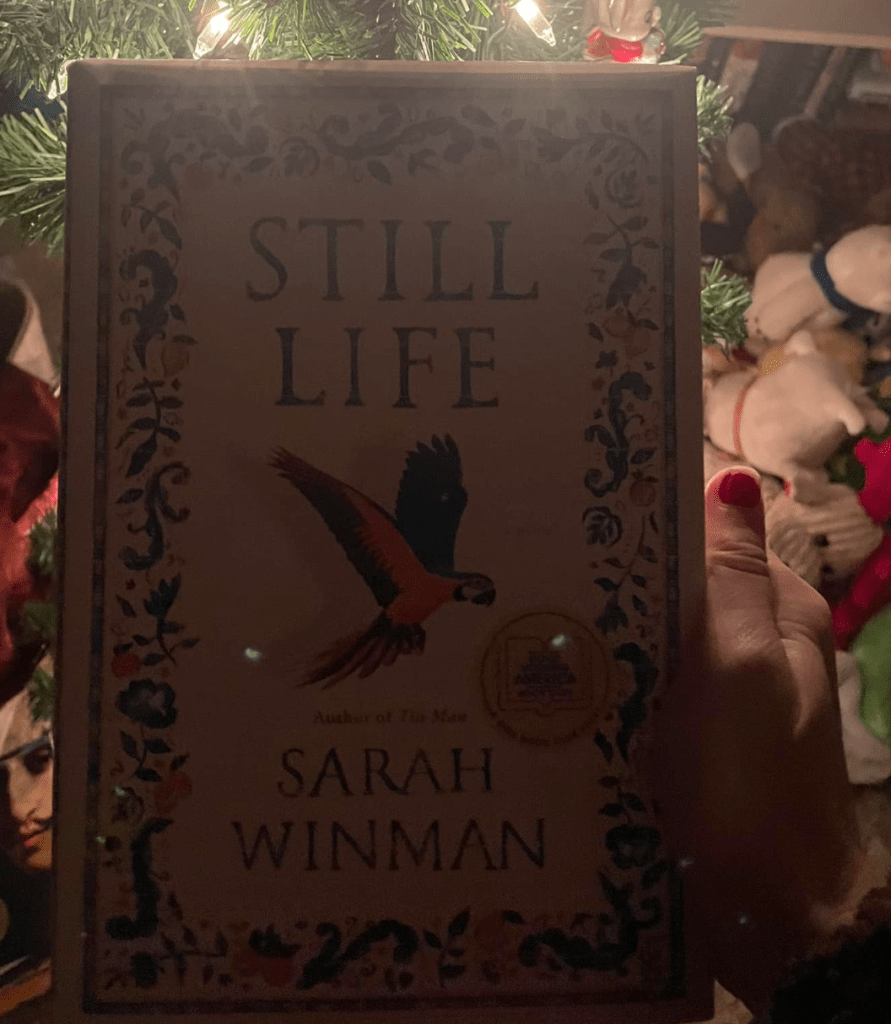
Still Life – 

Tuscany, 1944: As Allied troops advance and bombs fall around deserted villages, a young English soldier, Ulysses Temper, finds himself in the wine cellar of a deserted villa. There, he has a chance encounter with Evelyn Skinner, a middle-aged art historian who has come to Italy to salvage paintings from the ruins and recall long-forgotten memories of her own youth. In each other, Ulysses and Evelyn find a kindred spirit amongst the rubble of war-torn Italy, and set off on a course of events that will shape Ulysses’s life for the next four decades.

With beautiful prose, extraordinary tenderness, and bursts of humor and light, Still Life is a sweeping portrait of unforgettable individuals who come together to make a family, and a richly drawn celebration of beauty and love in all its forms.

‘Years’ Book Review

Linnea has just received her teaching certificate and is ready to begin her career in a small North Dakota farming town. She is all arranged to be staying with her host family, the Westgaards, as she adjusts to small town life. There, she meets Theodore, a man who does not want a woman under his roof. He is constantly finding flaws in Linnea but eventually they might find more than just that.

A lot of the time when I read romance, the authors have a hard time making their characters seem like real people rather than just a fantasy. It will be this man is a jerk but no backstory into what made him be like that. Spencer, she gave her characters those backstories. Linnea is still young and naive, she does not know much, if anything, about love. Theodore, he has been in love and has had his heart broken. He is reserved and scared to go down that path again even if he does not admit it. Linnea and Theodore are three dimensional characters.

This was a well researched book. It might just be the first romance book that I have read where the atmosphere or setting is actually important. This was a great portrayal of what day to day American life was like in the days of the First World War.

The writing was great if you love drawn out and long descriptions. When I first started the book, ‘I was like wow this is some great descriptive writing.’ Those sentiments are what later made me dislike this book more and more. It went on forever!! Nearly five hundred pages, the chapters were all long and it took me double the amount of time to read than it usually does for a book. The pacing was a major issue.

In romance, listing the tropes seems to be the way to tell a plot. Here we have; age gap, enemies to lovers, and small town romance. I am fine with all of those but enemies to lovers is probably my all time favorite romance trope. The author did a great job with all of those tropes as I really did enjoy the romance between Linnea and Theodore.

A lot of the time when I read romance, the authors have a hard time making their characters seem like real people rather than just a fantasy. Linnea and Theodore are three dimensional characters.This was a well researched book. This was a great portrayal of what day to day American life was like in the days of the First World War. The writing was great if you love drawn out and long descriptions.The pacing was a major issue.Here we have; age gap, enemies to lovers, and small town romance. The author did a great job with all of those tropes as I really did enjoy the romance between Linnea and Theodore. This is a good book and I would still recommend it if you are in for a long slow burn journey!